
The images in this article were generated with artificial intelligence. How we publish
Google has presented a new route for those who want to install apps outside the Play Store on Android devices: an "advanced flow" that introduces a 24-hour mandatory wait before allowing the installation of software from unverified developers. The measure comes in the context of the developer verification regulations that the company announced last year and in practice requests developers to register and confirm their identity so that their apps can be installed on Google-certified devices.
Google's official explanation is simple: to reduce the manoeuvre space of malicious actors who, according to the company, take advantage of the sideloading to distribute malware or to induce victims to grant permissions that deactivate protections like Play Protect. In its technical release Google details the new flow and has also published documentation on the verification program for developers ( official entry on Android blog and the verification page on the developer portal: development).
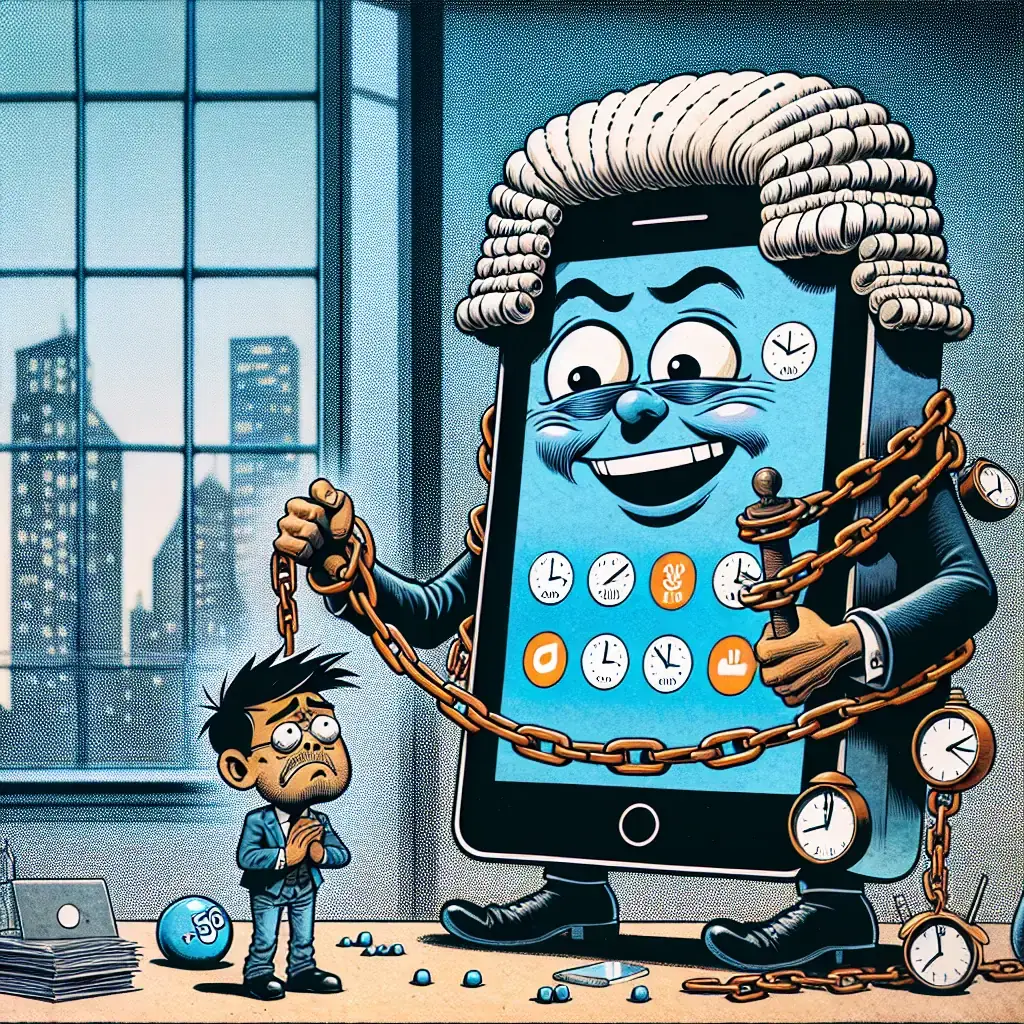
The process designed for advanced users requires several steps before the side installation is permanently or temporarily enabled. In general, the user must activate the developer options in the system, confirm that he / she acts on his / her own decision (not under duress), restart the phone and reauthenticate to prevent an attacker who has access to the device from completing the procedure on his / her behalf. After this re-start, it is required that it take 24 hours and that the user revalidate his or her intention by biometric authentication or PIN. Only then is it possible to authorize facilities from unverified developers, either indefinitely or for a limited period (Google has planned options to grant such permission for seven days, for example). Google has further specified that this flow does not affect the facilities made by Android Debug Bridge (ADB).
From the company it is argued that this one-day waiting window makes it much more difficult for a con man to keep an active campaign: time gives the person room to detect the con, consult family members or receive a notification from his bank before the attack culminates. The idea, according to the president of the Android Ecosystem, Sameer Samat, is that the delay serves as a temporary "shirt of force" against social engineering maneuvers; a summary of his statements can be found in the coverage of the news in Ars Technica.
In addition to the user flow, Google has announced cost-free "limited distribution" accounts for students and amateur developers to share apps with up to 20 devices without the need to present an official identity document or pay a fee. These options, according to the schedule published by Google, will be available in August 2026, just before the mandatory verification comes into force the following month.
However, not all of the ecosystem has welcomed the initiative. More than fifty developers and app shops, including projects and companies such as F-Droid, Brave, the Electronic Frontier Foundation, Proton, The Tor Project and Vivaldi, have signed an open letter expressing their concern about the possible increase in friction for creators and the risks to privacy and surveillance posed by the collection of identity data without clear guarantees of their use and custody. The text, which circulated publicly, calls for greater transparency on what data are requested, how they are stored and under what conditions could be compromised by government requests ( Open Card Keep Android Open).
The debate reflects a classic tension: how to balance the opening that has characterized Android - the possibility of installing apps from outside the official store - with the need to mitigate abuse by digital criminals. Google maintains that strengthening the identification of developers will help to detect and remove bad actors faster; critics respond that verification can be a barrier to small initiatives, open source projects and technical experimentation that have historically been part of the ecosystem.
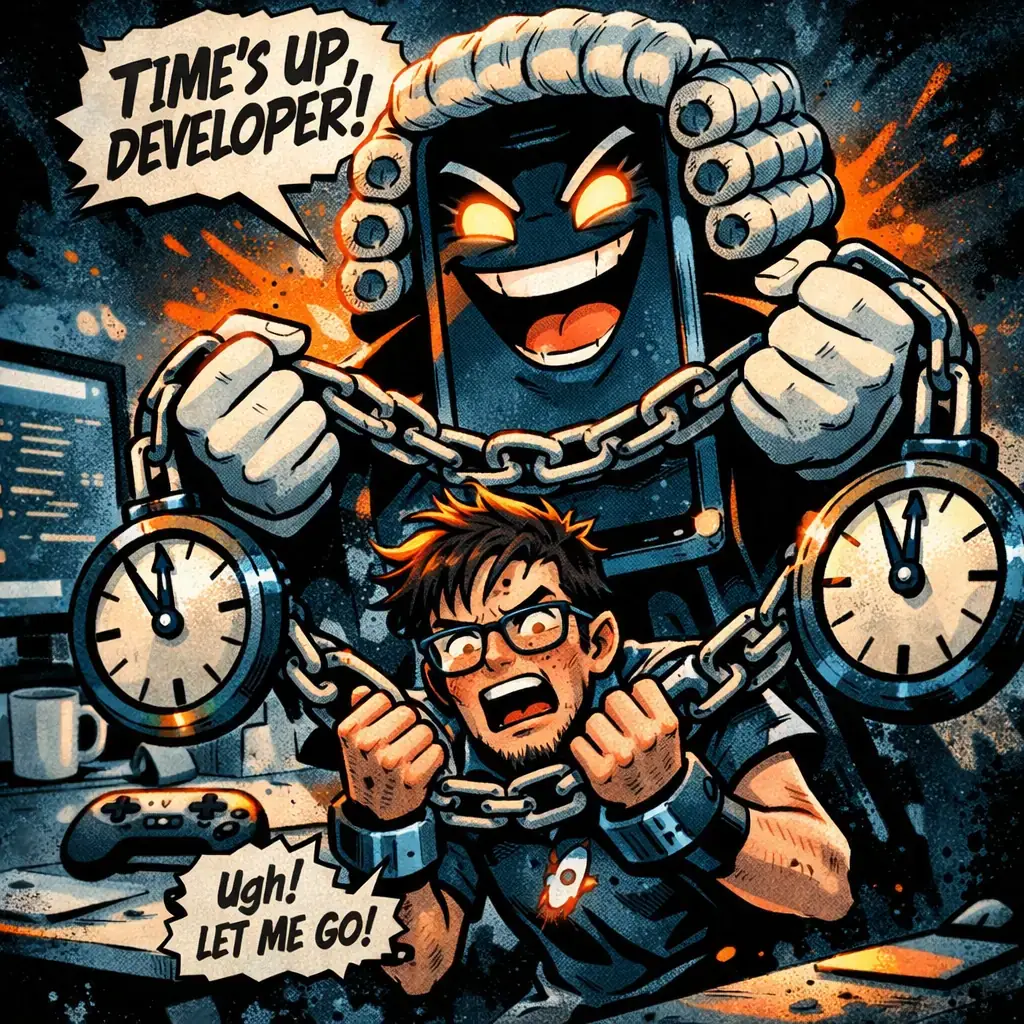
The concern for safety is not theoretical. In recent months active mobile threats have emerged that seek to kidnap devices or steal financial credentials: researchers and cyber security companies have detected new Android-specific malware families, including a campaign named Perseus that would have affected users in countries such as Turkey and Italy, with objectives of total device control and economic fraud. To better understand the context, it is necessary to review public security reports and Google's protection pages, such as the Play Protect documentation, which explain how the built-in Android defenses work ( What Play Protect is) and the security reports of the platform ( Android Security).
What practical implications does all this have for users and developers? For those who install applications, the recommendation remains the same as in previous years: check the origin of the APK, distrust of links and messages that press to install something as a matter of urgency, keep the backup and leave Play Protect on. For small developers, limited distribution accounts promise temporary relief, but uncertainty about the processing of the verification and protection of personal data requires Google to provide operational details and convincing technical guarantees.
In the end, Google's proposal tries to draw an intermediate way: to preserve the possibility of sideloading for users who know what they do, but to add friction when that freedom can be exploited by attackers. It remains to be seen whether this balance will work in practice and whether complementary measures - identity checks, clear options for community projects and robust data protection mechanisms - will just convince the community. Meanwhile, the conversation between platforms, developers, privacy organizations and authorities will remain key to defining what the open Android will be like in the next decade.

OpenAI engineer arrested by hidden recorder in office board room in San Francisco
A United States court this week authorized the arrest of Abdulrahman Alfozan, an engineer who worked in OpenAI, following the U.S. government's charges for placing a hidden reco...

Four Plex2Shell CVE allows remote execution and mining and proxy backdoor deployment
In recent days, an increase in attacks has been confirmed that take advantage of a chain of failures in Plex Media Server - nicknamed "Plex2Shell" by researchers - to run code r...

GhostAction Expands Attack: phishing to steal credentials and persistence in VS Code
A group behind the GhostAction campaign - already known for infiltrating GitHub Actions workflows into open source projects - has expanded its arsenal: in addition to installing...

OpenCode: possible exposure of AI suppliers in Console affects 1.4% of users
On the night of October 16 there was an unauthorized access to a system inherited from OpenCode which, according to the company, could have exposed keys from IA suppliers that u...

ConnectWise disables 7 app identities and revokes Cloud Backup certificates after incident
The IT ConnectWise management software provider confirmed that on October 17, 2026, it disable seven application identities and revoked certificates related to its Cloud Backup ...

Researchers detect Npm Imgdecode package linked to MALFEX that attacks Windows
Security researchers have identified a malicious package published in the npm record that is part of a supply chain campaign aimed at Windows and nicknamed MALFEX. The package, ...

OpenBSD 7.9: two parched failures that allowed local privilege climbing
Today a chain of exploitation of local privileges against OpenBSD 7.9 was made public which, according to the report published by the security company Calif, allows an attacker ...