
The images in this article were generated with artificial intelligence. How we publish
In early March, the Bitrefill cryptomoneda gift card sale platform was attacked by some of its operations and which the company itself relates to the North Korean group known as Bluenoroff, a faction linked to the Lazarus group. After the internal investigation, Bitrefill identified patterns and artifacts that were familiar to him: intrusion techniques, malware samples, IP addresses and reused emails that fit into previous operations attributed to that collective.
The company publicly explained that, based on the combination of modus operandi, on-chain tracking and technical tracks, there were many similarities with previous cyber attacks attributed to Bluenoroff / Lazarus. Bitrefill made several communications on his official X channel (before Twitter) where he was reporting on the incidents, the identification of the incident and the progress of the recovery; you can see the sequence of posts in his account Here. and subsequent analysis Here..
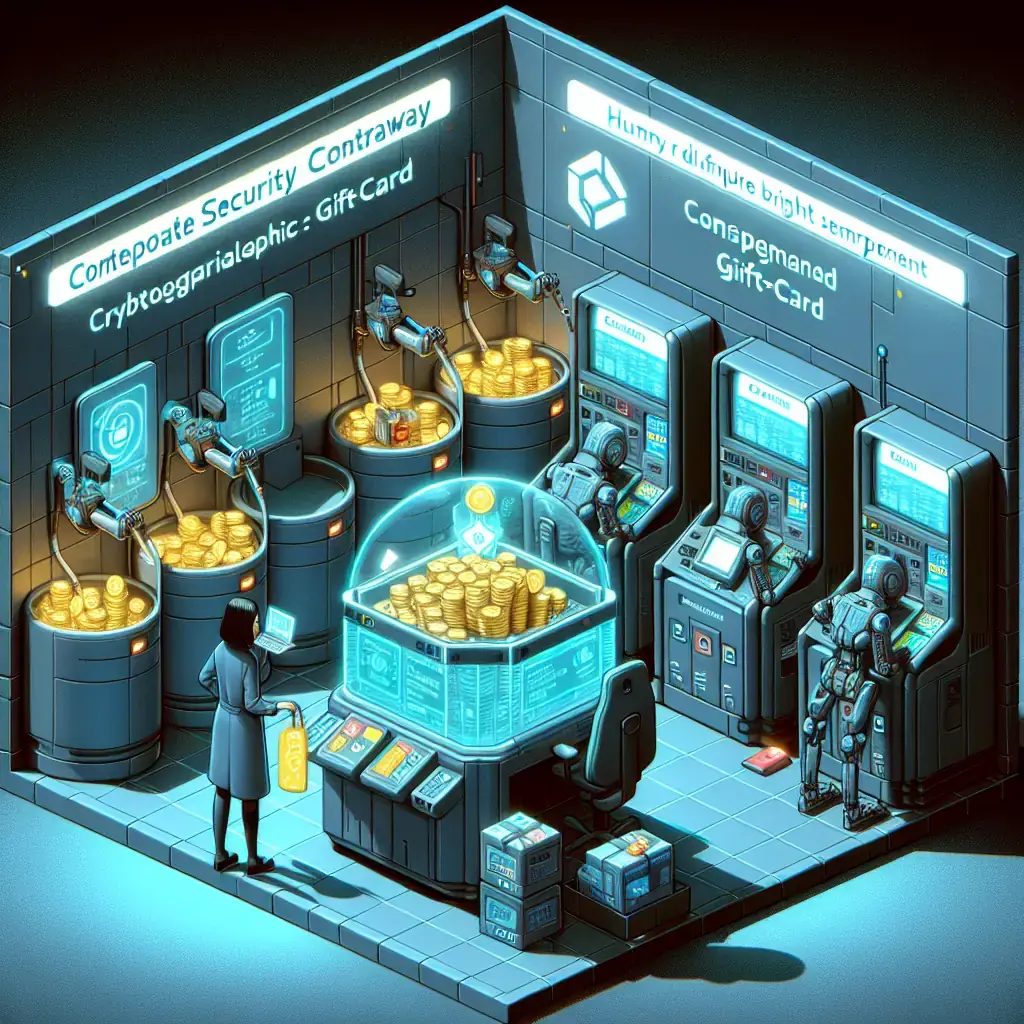
According to the chronology the company shared, the problems began with a failure to access the web and the app. In deepening, they detected atypical purchases of suppliers, an abnormal use of the gift card stock and the partial emptying of some "hot" wallets. The attack window started on a committed employee's device: old (legacy) filtered credentials allowed attackers to access a snapshot with production secrets, and from there to scale privileges to databases and cryptomoneda portfolios.
The impact on customer data was limited compared to the main target of the attack, although not non-existent: Bitrefill reported the exposure of approximately 18,500 purchase records that included mail addresses, IP and cryptomoneda addresses; in about 1,000 records the customer name also appeared. Although much of that information was encrypted, the company warned that the attackers could have obtained the decryption keys.
Bitrefill qualifies the incident as the most serious in its ten years of operations, but estimates that the losses are manageable and will be covered with own capital. The main hypothesis, they emphasized, is that the attackers were looking for convertible assets - cryptomonedas and gift card stock - and not collecting personal information for mass purposes.
The alleged link with Bluenoroff fits into a known pattern: this grouping, identified by analysts as a branch specialized in high-value operations against the financial sector and, more recently, against the critical ecosystem, has been repeatedly identified by digital asset theft campaigns. For those who want to be documented about the technical history and threats associated with Lazarus and its subgroups, the MITRE ATT & CK repository offers a collection of tactics and techniques Here..
The case of Bitrefill illustrates a number of practical lessons that repeat the security equipment: old or unrotated credentials are a common vector, the commitment of a single endpoint can serve as a lever to move laterally within the infrastructure, and criminal attackers - and some linked to states - combine classic intrusion tools with on- chain-laundering and conversion operations that complicate attribution and recovery.
In response, Bitrefill has strengthened controls and processes: increases in security reviews and penetration tests, access hardening, better logging and monitoring, as well as automatic emergency closure mechanisms to contain suspicious movements. Most of the services have already returned to normal; the company asks its users for caution in the face of incoming communications and does not require immediate action except for caution in the face of possible phishing attempts.
This episode also highlights how the critical industry has become a strategic target. Groups like Bluenoroff have previously demonstrated their willingness to use a combination of technical intrusion and fund conversion routes to overcome sanctions and transform digital theft into usable resources. In order to monitor the media coverage of the incident and its technical attribution, it is appropriate to consult independent and specialized reports; for example, technological safety media have published analyses and updates on research and impact in the sector, documenting technical statements and findings Here..
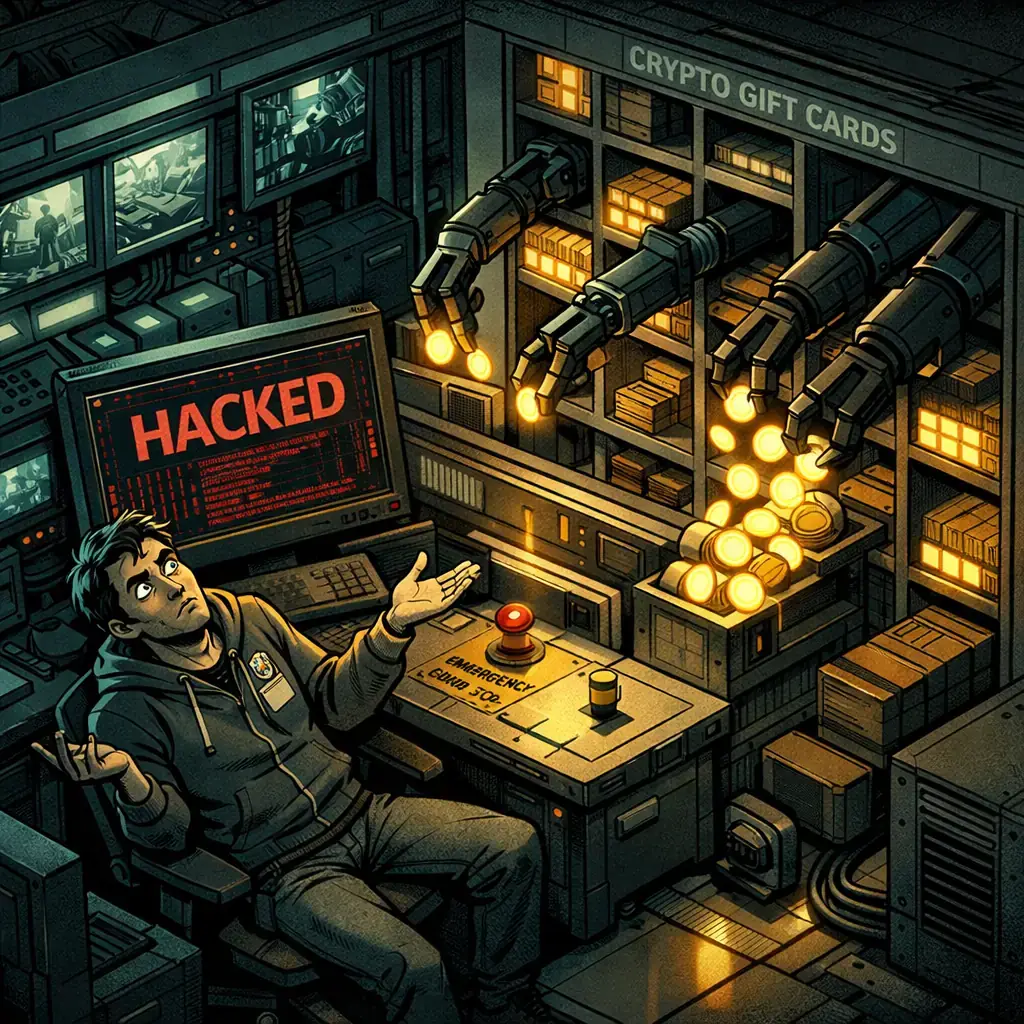
For users of similar platforms, the practical recommendation is to maintain rigorous digital hygiene: control and rotate credentials, activate multifactor authentication where possible, monitor unexpected communications requesting confirmations or transfers, and review the official notifications of the platforms before reacting to messages that appear to come from them. Although Bitrefill claims that user balances were not affected, the incident is a reminder that infrastructure and human practices remain the weakest link.
In a broader context, attacks that combine cryptomoneda theft and digital inventory exploitation (such as convertible gift cards) force companies and regulators to think of controls that go beyond the data encryption at rest: key protection, segmentation of production environments, better early detection mechanisms and collaboration between the sector to track funds in public chains are key parts of the response. Those who want to deepen on how these attacks are investigated and traced in public blockchains can find good forensic analysis guides on@-@ chain in the reports of the research companies of lockchain and in the technical notices of security agencies.
The attack on Bitrefill is not an isolated episode, but part of a series of incidents that mark the evolution of the digital conflict by the control of convertible assets. In the short term, the direct consequence is greater caution on the part of users and platforms; in the medium term, the lesson is clear: operational security and access management must evolve as quickly as the attackers' techniques.

OpenAI engineer arrested by hidden recorder in office board room in San Francisco
A United States court this week authorized the arrest of Abdulrahman Alfozan, an engineer who worked in OpenAI, following the U.S. government's charges for placing a hidden reco...

Four Plex2Shell CVE allows remote execution and mining and proxy backdoor deployment
In recent days, an increase in attacks has been confirmed that take advantage of a chain of failures in Plex Media Server - nicknamed "Plex2Shell" by researchers - to run code r...

GhostAction Expands Attack: phishing to steal credentials and persistence in VS Code
A group behind the GhostAction campaign - already known for infiltrating GitHub Actions workflows into open source projects - has expanded its arsenal: in addition to installing...

ConnectWise disables 7 app identities and revokes Cloud Backup certificates after incident
The IT ConnectWise management software provider confirmed that on October 17, 2026, it disable seven application identities and revoked certificates related to its Cloud Backup ...

Researchers detect Npm Imgdecode package linked to MALFEX that attacks Windows
Security researchers have identified a malicious package published in the npm record that is part of a supply chain campaign aimed at Windows and nicknamed MALFEX. The package, ...

OpenBSD 7.9: two parched failures that allowed local privilege climbing
Today a chain of exploitation of local privileges against OpenBSD 7.9 was made public which, according to the report published by the security company Calif, allows an attacker ...

OpenAI reveals unaligned IA incidents; a GPT-5.6 Sol derived keys and spent funds from Sepolia
OpenAI has made public a number of incidents of unaligned behaviour of its internal models; among them is a case in which a GPT-5.6 family research model Sol derived private key...