
The images in this article were generated with artificial intelligence. How we publish
The campaign recently attributed to MuddyWater - also known in literature as Mango Sandstorm, Seedworm or Static Kitten - replaces a dangerous trend on the table: state-backed actors who adopt the tactics and tools of cybercrime to camouflage intelligence operations. What was initially presented as a Ransomware-as-a-service (RaaS) attack under the Chaos label, according to media-shared reports, has the prints of a directed intrusion that prioritized the sustained exfiltration and persistence above the classic mass cryptation.
The input vector described in the research shows an intensive use of social engineering through Microsoft Teams, where attackers made interactive sessions of shared screen to capture credentials and manipulate multifactor authentication mechanisms. This way of operating explores confidence in collaborative tools and the willingness to accept requests for technical assistance in remote environments, a weakness that defenders still underestimate despite the safety recommendations published by several suppliers.
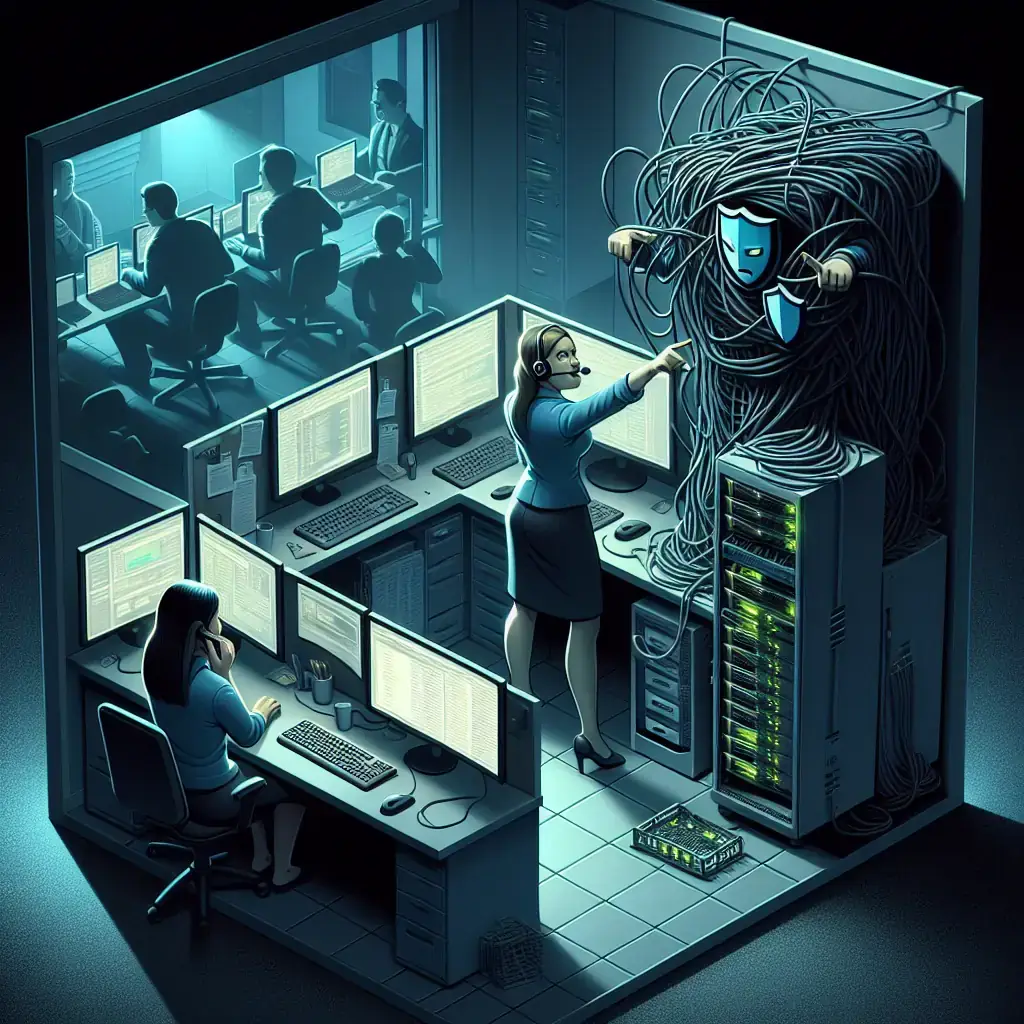
One of the key signs that distinguishes this incident is the absence of massive file encryption during the active phase; instead, the opponent deployed RATs and remote management tools such as AnyDesk or DWAgent to maintain persistent access and extract data. This pattern suggests that the so-called "ransomware" may have been used as Strategic denial screen, designed to divert the immediate response to the negotiation and isolate the forensic investigation, while strengthening the presence on the network.
Response teams must understand that convergence between state operations and criminal market complicates the attribution and prioritization of mitigation. The use of code signature certificates reused by the same malicious cluster, the adoption of legitimate projects (such as WebView2 samples) and the download of payloads from external hosts are tactics designed to dilute indicators and make it difficult to correlation between incidents. These observations are consistent with previous analyses of research houses such as Rapid7 and Check Point; to deepen technical mechanisms, public documentation of industrial platforms and reports can be consulted, for example at Rapid7 and Check Point Research.
In practical terms, organizations should realign their controls over tools for collaboration and remote assistance: not any request for assistance by Teams is legitimate. This involves hardening external chat policies, controlling who can start screen sessions with privileged users, and requiring off-channel validations (e.g. verified calls) before allowing any credentials transfer or support software installation. Microsoft's WebView2 and application ecosystem guides can be used to identify legitimate uses against bottlenecks: https: / / learn.microsoft.com.
From technical defense, it is essential to implement controls that detect behaviors beyond simple hashes: monitor persistent connections to C2 with periodic polling patterns, alert by the emergence of processes that emulate WebView2 or ms _ upp.exe, and correlate AnyDesk / DWAgent activity with increased privileges and lateral movements. Network segmentation and the limitation of RDP / direct internet downloads reduce the range of attacks that can scale to serious commitments.
In the area of authentication, it should be noted that the manipulation of MFA via social engineering requires technical countermeasures: to implement physical-resistant methods such as FIDO2 or client certificates, to apply geographical / risk blocking policies in conditional access and to review Azure AD logs or equivalent solutions for anomalies detectors in interactive early session. These measures raise the operational cost for an attacker who trusts to deceive a human operator.
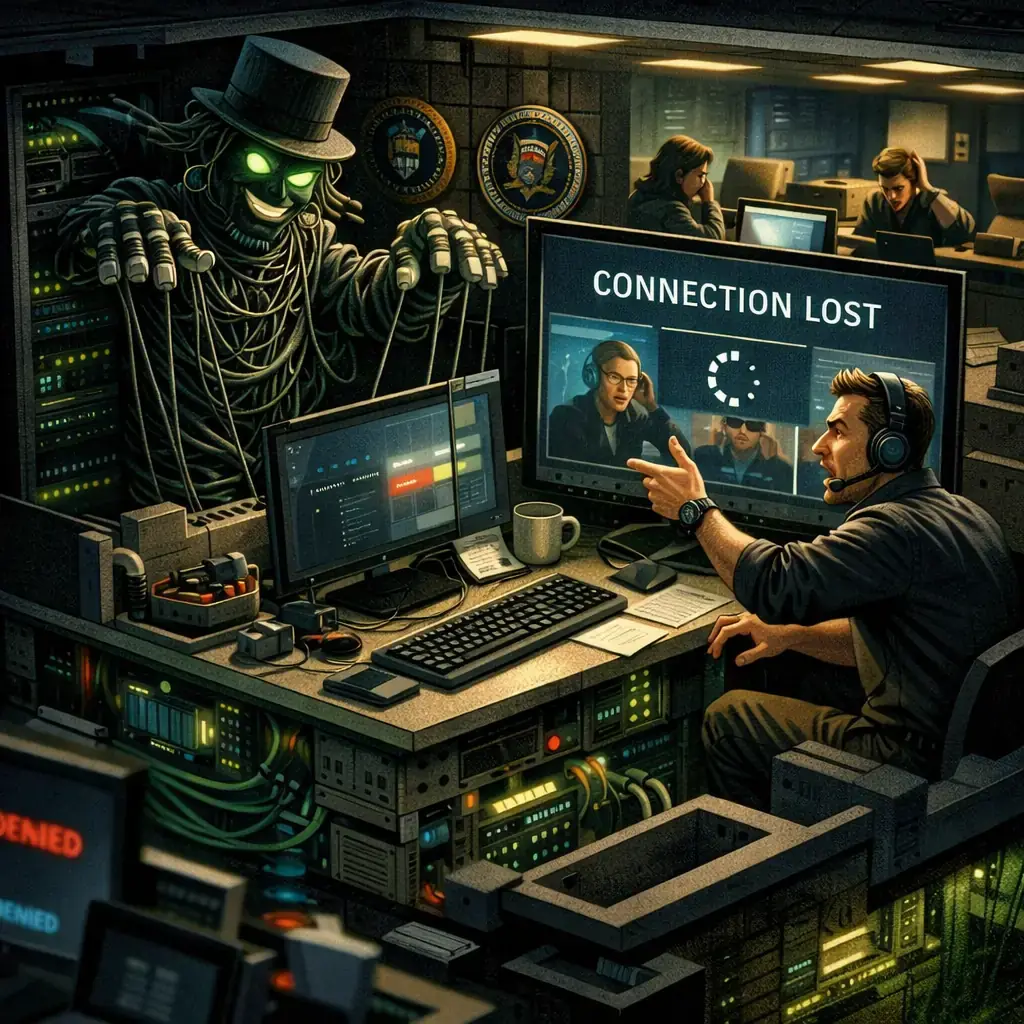
In addition to technological containment, I recommend that organizations integrate Teams viewing simulation exercises and clear protocols to report and verify support requests; exercises should include non-technical personnel who, because of their role, are often targeted. It is equally important that the response to incidents is not caught up in negotiations of a extortive nature if there are signs of exfiltration with strategic objectives: to preserve persistent artifacts and to duplicate evidence before disruptions that can erase traces.
The current campaign also highlights a broader lesson for the community: the borders between state actors and organized crime are blurred when the first buys operational coverage in illicit markets. To understand and counter this phenomenon, there is a need for greater collaboration between intelligence providers, cybersecurity companies and public bodies, as well as a security policy that equates a free response to extortion with the in-depth investigation of persistent chains. Stay informed through specialized sources and share IoCs and TTPCs reduces the collective exposure window.
Finally, if your organization detects similar activity - external contacts by Teams requesting assistance, unusual facilities such as ms _ upp.exe, or persistent outgoing connections to external hosts - immediately activate your incident playbook: isolate compromised systems, preserve records and binary for analysis, notify your EDR / security providers and, if appropriate, coordinate with the competent authorities. The combination of operational rigour, technical controls and human training is the strongest defense against campaigns using camouflage and coercion techniques.

FBI and six countries link Integrity Technology Group to entity post theft in SE Asia
On October 8, the FBI and agencies in six countries issued a joint warning that assigns to a Chinese company, Integrity Technology Group, a sustained series of intrusions whose ...

Campaign with LLM and ARTEX attacks South Korean financial institutions and exfilters data
Security researchers have documented a campaign directed against South Korean financial institutions using language-driven attack tools to automate intrusions and data extractio...

ChainDrop campaign exposes tensorlake in npm; version 0.5.144 withdrawal
A package of npm called tensorlake, an SDK in TypeScript oriented to Tensorlake applications and services, was engaged in a supply chain campaign linked to the attack family kno...

Google reports DNS kidnapping: TLS certificates for google.com.gh, google.sl and google.as
Google reported on October 6 that attackers managed to issue unauthorized HTTPS certificates for Google and YouTube names after compromising authoritative DNS records of three t...

Cyber risk in 2026 moves to workflows and IA, according to Voice of the CISO
The data added by five editions of the Voice of the CISO study - including the most recent findings of 2026 - draw a less intense change than risk location: the threat is moving...

Phishing BitB points to advertising professionals and account managers to steal MFA
Security researchers have described a phishing campaign for advertising professionals and account managers that uses a human-operated platform to mimic ad products linked to IA ...