
The images in this article were generated with artificial intelligence. How we publish
In recent weeks, there has been some flare-up in networks and forums because ChatGPT's privacy policy included references to ads, and that triggered speculation about an immediate global expansion of advertising within the chat. However, that mention in a legal document does not amount to an international deployment on one day to another. OpenAI has confirmed to the media that, for now, ChatGPT's advertising experience is limited to the United States and that there are no ads of a global launch date.
The company launched the advertising functionality in the free version of ChatGPT in the USA. The United States on 9 February 2026 and has since gradually adjusted it in that territory. OpenAI insists that the ads appear below the answers, are clearly labeled and are shown only to users who have login on the Free and Go plans within the United States. They also pointed out that you will not see those ads if you are under 18, depending on the account's behavior, even if you explicitly request it from the chat.
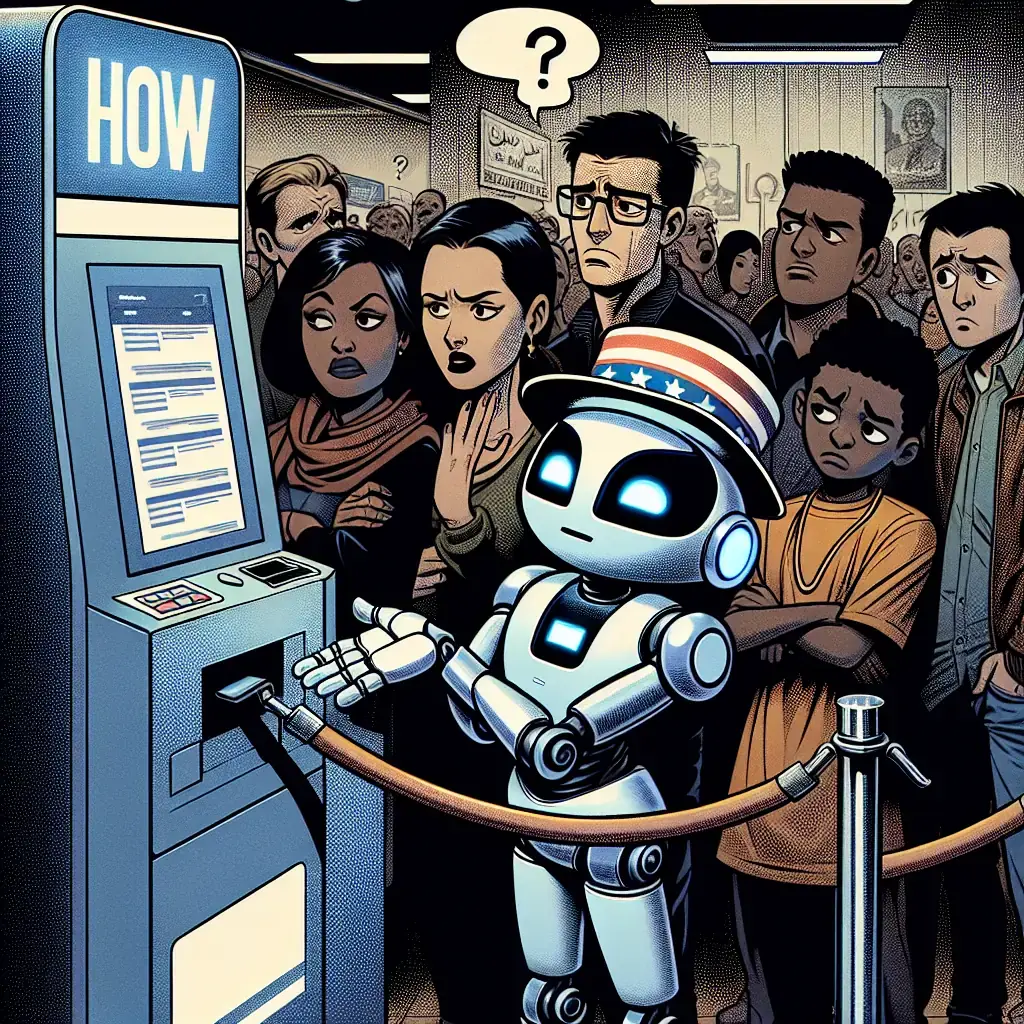
The official explanation accompanying this policy seeks to clear specific fears: "run in separate systems" of the chat model and advertisers cannot alter or position ChatGPT responses according to OpenAI's own aid text. You can read that note directly at the company's help center on this link: Ads in ChatGPT - OpenAI Help Center. The company also highlights that it does not share the content of your conversations, chat history, memories or personal information with advertisers.
Despite these guarantees, the form and context in which the announcements are shown raise legitimate questions. Unlike advertising in traditional search engines or banners, advertising integrated into a conversational response can be perceived as more relevant because the platform is already interacting with you and understands, to a greater or lesser extent, what consultations you do. This degree of personalization increases the ability to influence decisions of purchase and perception of recommendations even when the company ensures that the text of the response is not "manipulated" by advertisers.
Forums and communities, such as the thread in Reddit where several users pointed to the change in privacy policy, showed how a technical mention was enough to trigger interpretations, rumors and some concern. Here is the thread to which reference was made: publication in Reddit. This dynamic is useful as a social thermometer: people want transparency and they want to understand whether their conversations are part of the "product" that is being monetized.
On the regulatory and ethical level, the gradual deployment of ads by large technological platforms often involves demands for greater transparency, audits and controls on how data are used to segment audiences. If you want to review official principles and recommendations on privacy and targeted advertising, you can consult resources from the American regulator on this page: FTC - Privacy & Security. In Europe, for example, the requirements of the RGPD and the rules on consent and profiles explain why international deployment requires legal and technical adjustments before becoming massive.
OpenAI, as it has publicly explained, is taking a deliberate and phased approach: to see how advertising works under real conditions, to collect data for use and to adapt controls before expanding it to more countries. This caution makes sense from an operational point of view, but it does not eliminate the concern about the persuasive power of a conversational IA with personalized ads.
What can users do in the meantime? First, the policies and support centres of the services they use, such as the OpenAI privacy policy. Secondly, to be critical of business results and recommendations that appear alongside the information they receive; if a response includes an announcement, it is appropriate to verify the information in independent sources. Finally, consider subscription alternatives that offer experiences with less or no advertising, when available and adapted to your needs.
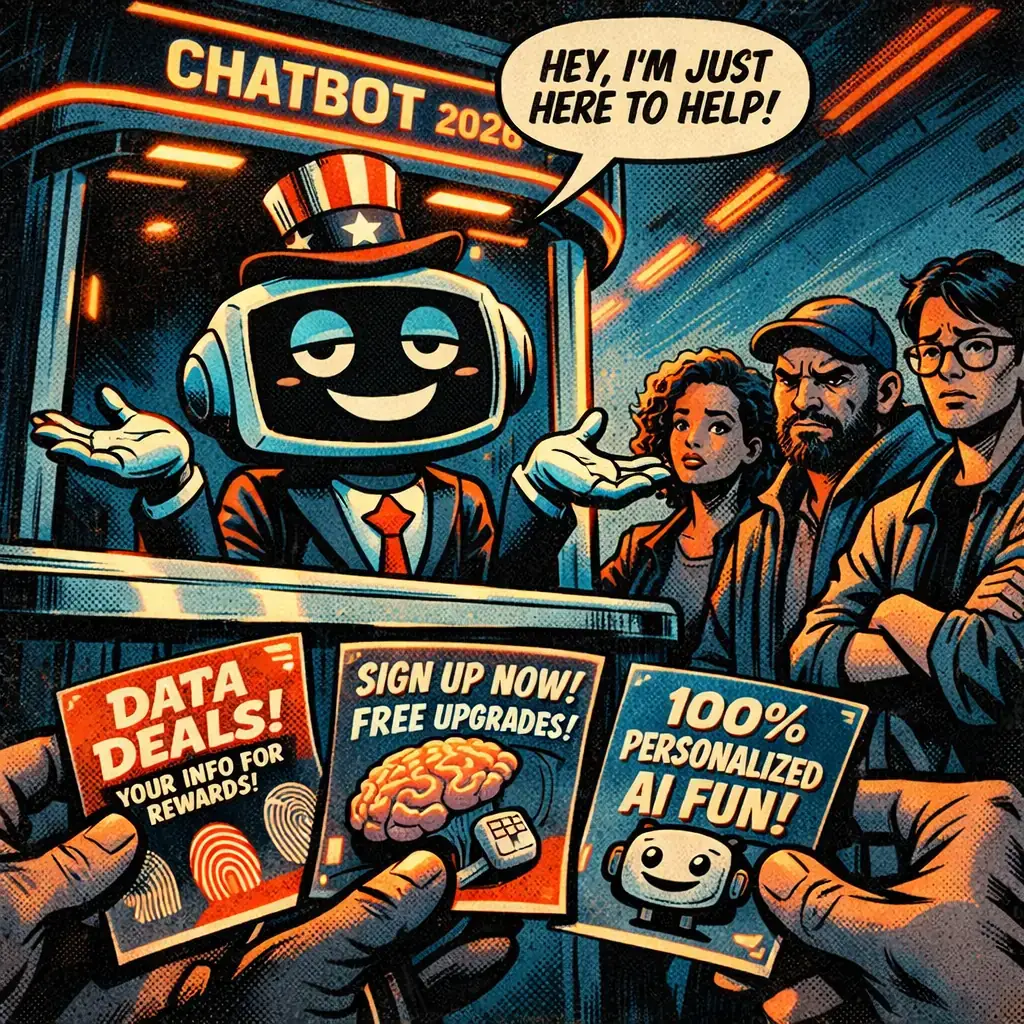
The arrival of ads to conversational environments marks another turning point in the relationship between artificial intelligence and business model. The promise of "not sharing conversations with advertisers" is necessary but not sufficient for many: transparency in segmentation criteria, impact audits in decision-making and clear tools are needed to make the user understand why he sees a particular ad.
While OpenAI decides the following steps and other actors analyze the ground, it is reasonable to assume that public policy mentions serve to anticipate possibilities, but not to dictate immediate deployments worldwide. The conversation about ads in IA is starting seriously and will need both technical explanations and regulatory frameworks and, above all, a clear public dialogue about what limits are considered acceptable when an IA becomes, also, a commercial channel.
Sources: OpenAI's Help Note on Ads in ChatGPT ( OpenAI Help Center), public discussions in Reddit ( yarn) and regulatory resources on privacy ( FTC - Privacy & Security). For follow-up on the subject in specialized media you can also consult the coverage of technological sites such as BleepingComputer.

GhostAction Expands Attack: phishing to steal credentials and persistence in VS Code
A group behind the GhostAction campaign - already known for infiltrating GitHub Actions workflows into open source projects - has expanded its arsenal: in addition to installing...

ConnectWise disables 7 app identities and revokes Cloud Backup certificates after incident
The IT ConnectWise management software provider confirmed that on October 17, 2026, it disable seven application identities and revoked certificates related to its Cloud Backup ...

Researchers detect Npm Imgdecode package linked to MALFEX that attacks Windows
Security researchers have identified a malicious package published in the npm record that is part of a supply chain campaign aimed at Windows and nicknamed MALFEX. The package, ...

OpenBSD 7.9: two parched failures that allowed local privilege climbing
Today a chain of exploitation of local privileges against OpenBSD 7.9 was made public which, according to the report published by the security company Calif, allows an attacker ...

OpenAI reveals unaligned IA incidents; a GPT-5.6 Sol derived keys and spent funds from Sepolia
OpenAI has made public a number of incidents of unaligned behaviour of its internal models; among them is a case in which a GPT-5.6 family research model Sol derived private key...

Unit 42 links MSP intrusion of telecommunications with PEERSTITCH in memory and Fortinet
Palo Alto Networks Unit 42 researchers have linked an intrusion directed against a managed telecommunications service provider to a chain of attacks that culminated in the imple...