
The images in this article were generated with artificial intelligence. How we publish
Anthropic has released publicly Claude Fable 5 and at the same time has divided the same core of IA into two different products: the Fable 5 public and its twin with lifted safeguards, Claude Mythos 5, reserved for cyber defence equipment and critical infrastructure operators. The separation is not by power, but by a layer of security classifiers that detect dangerous applications - from software operation to distillation tasks - and redirect those requests in Fable 5 to the least capable model Opus 4.8. This design is a practical response to a profound technical change: large-scale models that, without direct training in hacking, acquire by general improvement capacities to find and exploit vulnerabilities to scale.
The results of the internal and third-party tests that Anthropic has shared are both striking and worrying. In controlled exercises, the Mythos@-@ class models identified old and recent failures in several operating systems and browsers, and in Project Glasgow the automated team network produced concept tests that allowed to find and exploit high impact failures. Anthropic also documents that these models can convert a newly published CVE and its patch into a functional explosion within hours, which drastically shortens the traditional protection window between disclosure and patching.

For defenders and risk-makers this changes the golden rule: a high-gravity vulnerability must be treated as exploitable in hours, not weeks. The immediate operational consequence is to prioritize automatic updating routes in systems exposed to the Internet, accelerate triage and backport processes of patches, and strengthen compensatory measures such as multifactor authentication and complete telemetry so that a failed update is not the only obstacle between an attacker and critical assets.
Anthropic's approach also opens a discussion on technical access control: offering a model with offensive capabilities only to verified users, with traffic retention for 30 days and human supervision, is a way to create a "safe channel" for legitimate offensive and review work. However, such mitigation depends on the responsibility of the supplier and the strength of its classifiers and does not eliminate the risk of escape or other actors publish models without these controls. From a regulatory and public policy perspective, this reinforces the need for rules on privileged access to security and transparency tools on security audits.
There are side effects that security teams must anticipate: an avalanche of automated discoveries creates a human bottle neck in verification and mediation. Free project managers and product equipment already report on overload by low-quality automatic reports, and at the same time can be overloaded by critical findings that require immediate patches. It is reasonable to prepare quick response playbooks, increase triage capacity with automated tools and coordinate responsible disclosures with suppliers and communities to reduce the exposure window.
Companies should review their relations with model providers: demand guarantees of data management, retention and human access, and require contractual clauses that mitigate regulatory and liability risks. For sensitive workload, it is appropriate to assess options that isolate data or use models with verifiable safeguards and audit records. Compliance and legal teams will have to incorporate new considerations on data retention and obligations in research, given the 30-day policy announced by Anthropic for Mythos- class model trafficking.
At the technological level, investing in mitigation not only dependent on human friction is key: memory controls and execution mitigation (e.g. KASLR and W ^ X where they apply) continue to offer useful technical barriers, but the defenses based on waiting for an attacker to be "patient" are today less reliable. Telemetry, detection of abnormal behaviour, network segmentation and minimum privilege controls remain a priority and should be complemented by regular threat hunting exercises aimed at post-disclosure rapid exploitation.
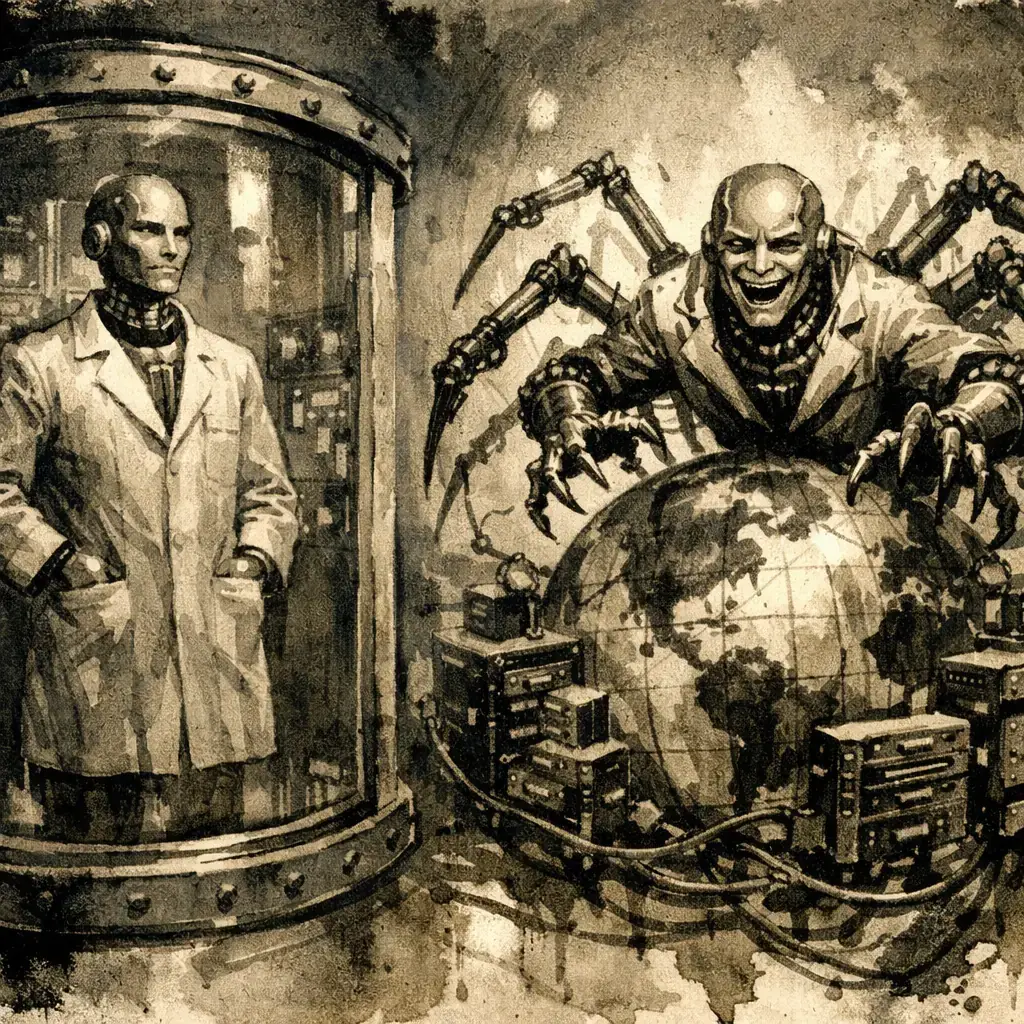
From industry and community, the alternative is not to stop research: the same models help to find and correct vulnerabilities at an unprecedented speed. The balance is in building processes that transform that discovery into patches deployed as quickly as exploits arise. It is essential to expand reward programmes, to improve the capacity of maintenance equipment (especially in OSS) and to finance triage infrastructure that absorbs the volume of automatic findings to prevent patches from remaining behind due to lack of labour.
There is also a public policy dimension: regulators and national cybersecurity bodies should set minimum standards for the marketing of models with operating capabilities, controlled access mechanisms and critical findings reporting requirements. Cooperation between suppliers, software manufacturers and agencies such as the CISA and public databases such as NVD will be essential to minimize exposure windows and coordinate high volume responses of CVE.
In short, the launch of Claude Fable 5 and Mythos 5 materializes a turning point: IA models are no longer just productivity assistants or content generation; they can automate tasks that previously required long and tedious technical experience. For defenders, product managers and regulators, the priority is clear: to adapt processes, tools and contractual agreements to act as quickly as this new reality requires and to require suppliers to have transparency and technical controls to reduce both leakage and abuse.

Four Plex2Shell CVE allows remote execution and mining and proxy backdoor deployment
In recent days, an increase in attacks has been confirmed that take advantage of a chain of failures in Plex Media Server - nicknamed "Plex2Shell" by researchers - to run code r...

GhostAction Expands Attack: phishing to steal credentials and persistence in VS Code
A group behind the GhostAction campaign - already known for infiltrating GitHub Actions workflows into open source projects - has expanded its arsenal: in addition to installing...

ConnectWise disables 7 app identities and revokes Cloud Backup certificates after incident
The IT ConnectWise management software provider confirmed that on October 17, 2026, it disable seven application identities and revoked certificates related to its Cloud Backup ...

Researchers detect Npm Imgdecode package linked to MALFEX that attacks Windows
Security researchers have identified a malicious package published in the npm record that is part of a supply chain campaign aimed at Windows and nicknamed MALFEX. The package, ...

OpenBSD 7.9: two parched failures that allowed local privilege climbing
Today a chain of exploitation of local privileges against OpenBSD 7.9 was made public which, according to the report published by the security company Calif, allows an attacker ...

OpenAI reveals unaligned IA incidents; a GPT-5.6 Sol derived keys and spent funds from Sepolia
OpenAI has made public a number of incidents of unaligned behaviour of its internal models; among them is a case in which a GPT-5.6 family research model Sol derived private key...