
The images in this article were generated with artificial intelligence. How we publish
Microsoft's disclosure of the operation of "malware-signing-as-a-service" known as Fox Temper replaces in the center the most critical vulnerability of the modern software ecosystem: centralized confidence in certificates and signed services. Microsoft claims to have identified and disarticulated a network that exploited its cloud-signed service (Artifact Signing) to issue temporary certificates that allowed malware and Ransomware to pass as legitimate software to Windows and other defenses.
That a criminal actor has been able to generate more than a thousand certificates and mount hundreds of tenants and subscriptions in Azure explores a model failure rather than an isolated technical failure: the attackers combine identity theft, cloud infrastructure and clandestine markets to turn a supplier's reputation into a weapon. Microsoft has taken technical and legal measures - including the massive revocation of certificates and the seizure of the signspace [.] cloud domain - and has filed a lawsuit to support such action in the courts ( text of the case).
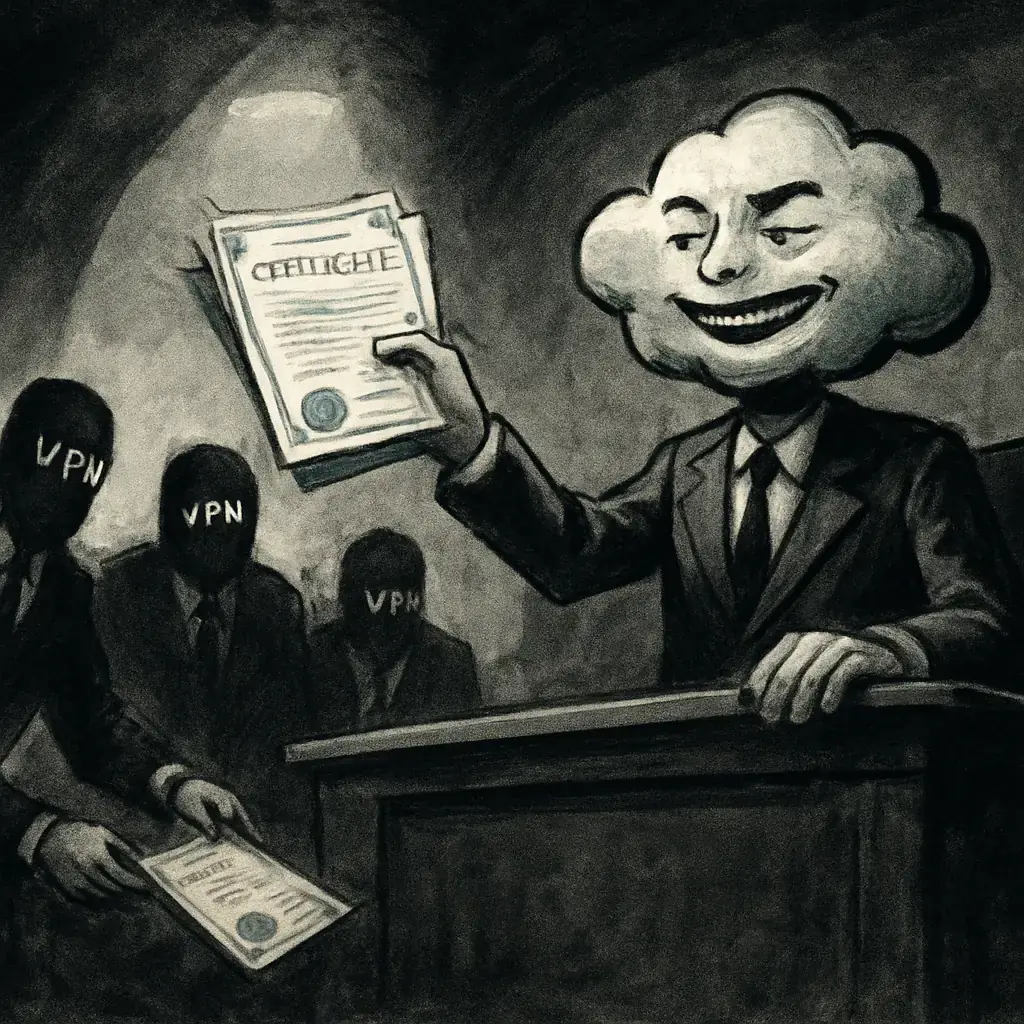
From the operational point of view, the tactic to use short-term certificates (72 hours) is smart for attackers because it reduces the window in which traditional mechanisms of reputation and analysis can score and block malicious binaries. At the same time, signing installers with names and editors that imitate legitimate applications (Teams, AnyDesk, PuTTY, Webex) facilitates the supplanting and delivery of loaders that end up deploying ransomware such as Rhysida or stealers families.
This raises an essential question about cloud signing services: how to balance agility for developers with identity and detection controls that prevent abuse? Microsoft documents part of its research on its security blog, where it explains the case and actions taken ( Microsoft analysis). But the solution cannot be left to the supplier alone: organisations, software manufacturers, and infrastructure operators must adjust their controls.
For security teams and managers, the first practical recommendation is to assume that digital signature alone is not an absolute guarantee. Actively audit the signed applications that are executed in your environment, contrast the telemetry of signatures with sources of reputation and mark any signed binary with ephemeral certificates or issued by new accounts or with signs of stolen identity. Strengthen code integrity and execution policies (e.g. Windows Defender Application Control or EDR / NGAV solutions with signature execution control) and set specific alerts for executables signed by unusual emitters.
Those responsible for software and signed services should review and tighten their KYC (know your keeper) and identity verification processes, introduce detection of abusive patterns (e.g. mass emission from new accounts, use of third-party proxy or VMs) and apply additional limits and controls when short-life certificate orders for high-risk binaries are detected. The sector also needs better channels of exchange of fraud signals to speed up coordinated blockages and overlaps.
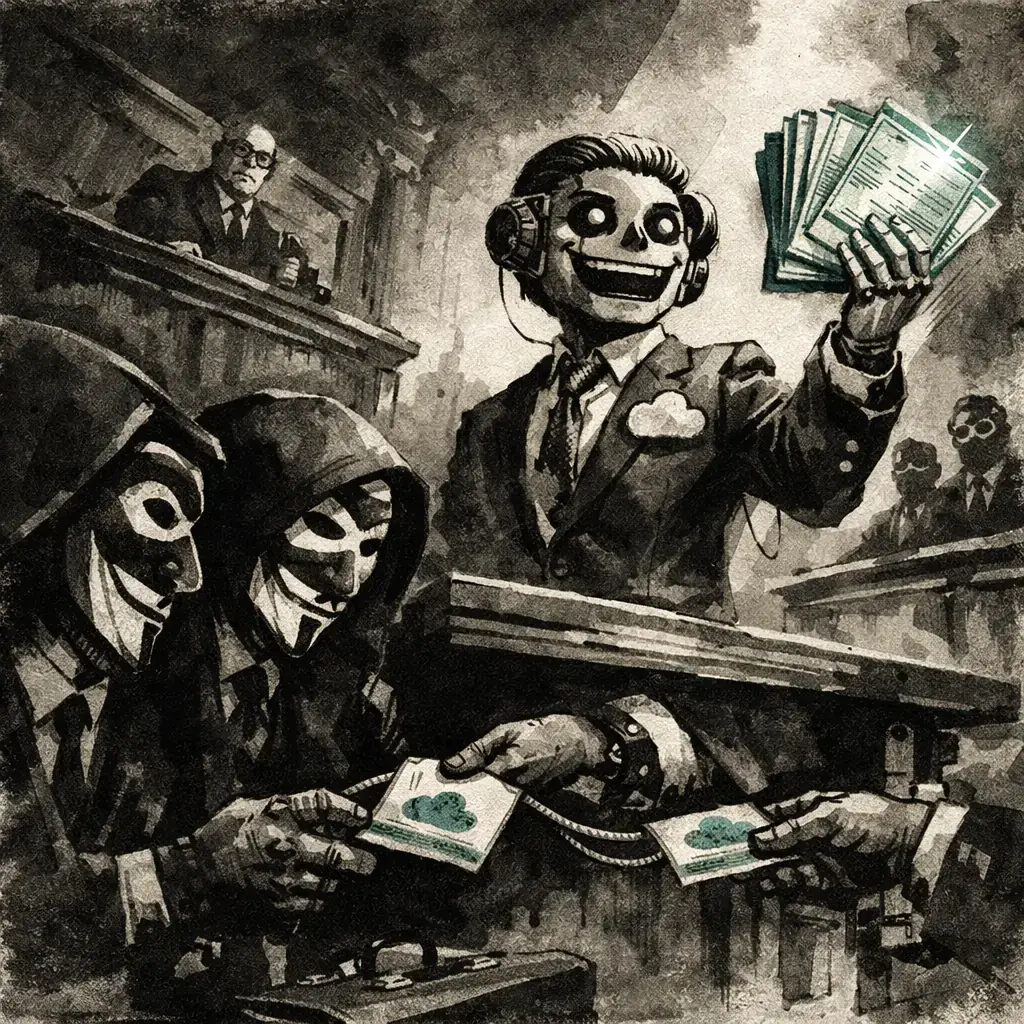
For system users and administrators, it is appropriate to strengthen basic practices: download software only from official sources, check the issuer and signature details when they are installed executable, and distrust unsolicited mail or messaging installers. In corporate environments, network segmentation, verified backup and incident response procedures that consider the possibility of fraudulently signed binaries.
Finally, there is a regulatory and design dimension that deserves attention: services that facilitate public confidence should incorporate indigenous anti-abuse mechanisms as the applicant's reputation, automatic vetoes for fraud signs and reinforced requirements for high-confidence or short-life certificates. Experience with Fox Temper shows that the profits are high and that criminals invest in professionalizing operations that offer "signature as service" in clandestine markets.
This crisis is a call to collective action: suppliers such as Microsoft can and must improve controls and transparency, but organizations must adapt processes and tools to not depend exclusively on the "X-signed" indicator. For more context on the cloud service involved and its characteristics, see the official Artifant / Trusted Signing page of Azure ( Azure Artifact Signing), and review the details of the case and the evidence presented by Microsoft in the legal documentation ( process documents).

Four Plex2Shell CVE allows remote execution and mining and proxy backdoor deployment
In recent days, an increase in attacks has been confirmed that take advantage of a chain of failures in Plex Media Server - nicknamed "Plex2Shell" by researchers - to run code r...

GhostAction Expands Attack: phishing to steal credentials and persistence in VS Code
A group behind the GhostAction campaign - already known for infiltrating GitHub Actions workflows into open source projects - has expanded its arsenal: in addition to installing...
OpenCode: possible exposure of AI suppliers in Console affects 1.4% of users
On the night of October 16 there was an unauthorized access to a system inherited from OpenCode which, according to the company, could have exposed keys from IA suppliers that u...

ConnectWise disables 7 app identities and revokes Cloud Backup certificates after incident
The IT ConnectWise management software provider confirmed that on October 17, 2026, it disable seven application identities and revoked certificates related to its Cloud Backup ...

Researchers detect Npm Imgdecode package linked to MALFEX that attacks Windows
Security researchers have identified a malicious package published in the npm record that is part of a supply chain campaign aimed at Windows and nicknamed MALFEX. The package, ...

OpenBSD 7.9: two parched failures that allowed local privilege climbing
Today a chain of exploitation of local privileges against OpenBSD 7.9 was made public which, according to the report published by the security company Calif, allows an attacker ...