
The images in this article were generated with artificial intelligence. How we publish
The FBI warns that fraud using physical kiosks to buy crypto - known as crypto ATMs or Bitcoin ATMs - has left massive losses: according to the agency, U.S. consumers reported more than $388 million in losses last year, with an increase of close to 58% over the previous period. These figures appear in the FBI's IC3 public notice, which also documents how scammers guide their victims step by step to turn cash into crypto and transfer it to wallets under the control of the attacker ( read the FBI statement).
The kiosks are independent terminals that accept cash or card and are usually located in service stations, convenience shops and shopping centers, making them ideal for fast operations. Their ease of use and the relative opacity of crypto transactions explain why the criminals have incorporated them into social engineering schemes: the criminal instructs the victim by phone or messaging, tells him how to get money out of the bank, how to locate the kiosk and what steps to take to deposit and send funds.
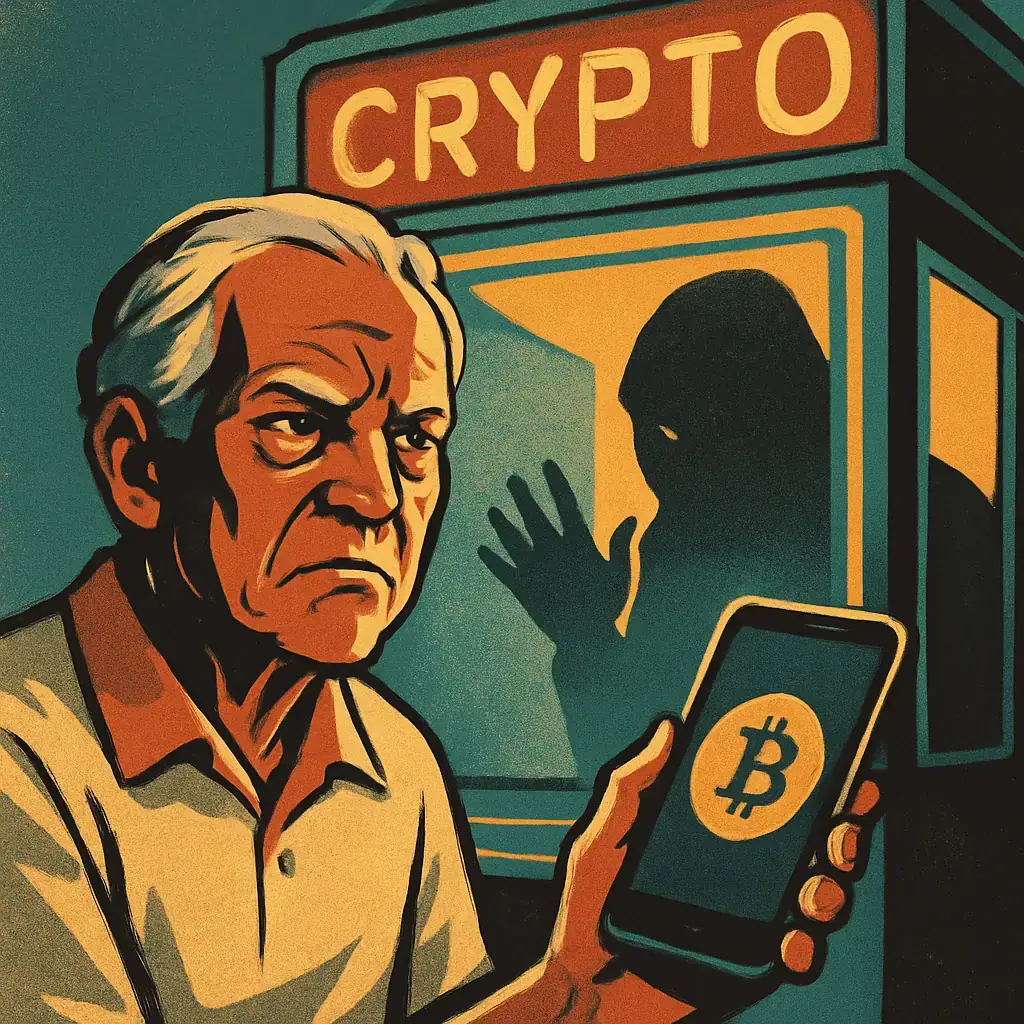
The FBI data also show a worrying trend in the profile of the victims: more than half of those who reported were over 50 years old and concentrated most of the economic losses. This demographic vulnerability combines a lower familiarity with new technologies, greater confidence in alleged authorities and the urgency of scammers to force rapid decisions.
It is important to understand the nature of the damage: cryptotransactions are largely irreversible and fast. Once cash is turned into a crypto and comes out of a kiosk to a criminal-controlled direction, the chances of recovery are very limited, except for coordinated platform interventions, forensic analysis of lockchain and international police cooperation. That's why. prevention is the main defence.
In the face of increased incidents, some states have chosen to ban or restrict these kiosks: Minnesota, Indiana and Tennessee have adopted measures to stop their fraudulent use, reflecting a regulatory trend towards greater controls over the physical infrastructure of cryptomonedas ( details of the ban in Minnesota). These decisions open the debate on regulatory alternatives: from limits in cash amounts to stricter identity verification requirements (KYC) for operators and automatic monitoring systems of suspicious patterns.
For consumers there are practical guidelines that reduce risk: do not send money on instructions from unknown persons, always independently verify the identity of the caller, do not scan QR codes provided by third parties and distrust urgent payment demands - especially if they claim to be authorities -. If something is not right, stop the operation and ask the kiosk operator or local police for help can make a difference; keeping receipts and evidence of the transaction facilitates any further investigation. The Federal Trade Commission maintains resources and advice on cryptomoneda scams that can be consulted for additional guidance ( FTC guide on crypto scams).

If you think you have been a victim, act quickly: contact your bank to stop movements in related accounts, collect evidence (receipts, screenshots, call records) and report the incident to the FBI IC3 through your portal. The complaint does not guarantee the recovery of funds, but it is necessary for the authorities to track patterns and prioritize investigations that sometimes allow the freezing of assets in exchanges or identify illicit operators ( file a complaint in IC3).
Finally, the proliferation of these fraud raises broader questions about the governance of physical points of access to crypt: Should kiosks be subject to licenses, transaction limits and real-time monitoring? The experience of the states that have banned them suggests that technical solutions alone are not enough: regulatory frameworks are needed, collaboration between operators, blockchain analysis providers and security forces, as well as educational campaigns focused on the most at-risk groups.
The trend is clear: as long as criminals adapt tactics to the available infrastructure, effective measures will combine regulation, technology and digital literacy. Keeping informed, distrusting payments requested by non-verifiable channels and reporting fraud attempts are concrete actions that anyone can take right now to reduce the likelihood of being the next victim.

Attack with IA agents orchestrated by Chinese attacker exposes Cairn panels and credentials
A set of self-contained artificial intelligence agents was led by a Chinese-speaking attacker against corporate shops and websites, and a security investigator was able to obser...

OpenAI engineer arrested by hidden recorder in office board room in San Francisco
A United States court this week authorized the arrest of Abdulrahman Alfozan, an engineer who worked in OpenAI, following the U.S. government's charges for placing a hidden reco...

Four Plex2Shell CVE allows remote execution and mining and proxy backdoor deployment
In recent days, an increase in attacks has been confirmed that take advantage of a chain of failures in Plex Media Server - nicknamed "Plex2Shell" by researchers - to run code r...

GhostAction Expands Attack: phishing to steal credentials and persistence in VS Code
A group behind the GhostAction campaign - already known for infiltrating GitHub Actions workflows into open source projects - has expanded its arsenal: in addition to installing...

ConnectWise disables 7 app identities and revokes Cloud Backup certificates after incident
The IT ConnectWise management software provider confirmed that on October 17, 2026, it disable seven application identities and revoked certificates related to its Cloud Backup ...

Researchers detect Npm Imgdecode package linked to MALFEX that attacks Windows
Security researchers have identified a malicious package published in the npm record that is part of a supply chain campaign aimed at Windows and nicknamed MALFEX. The package, ...

OpenBSD 7.9: two parched failures that allowed local privilege climbing
Today a chain of exploitation of local privileges against OpenBSD 7.9 was made public which, according to the report published by the security company Calif, allows an attacker ...