
The images in this article were generated with artificial intelligence. How we publish
The U.S. federal agency CISA has included in its catalogue of Known Exploited Vulnerabilities (KEV) a high-severity failure affecting SolarWinds Serv-U, the multi-protocol file transfer server, after evidence of active exploitation. This is a vulnerability of uncontrolled resource consumption that can cause service to fall under certain specifically formed HTTP requests, resulting in a denial of service (DoS) condition.
The failure, recorded as CVE-2026-28318 and rated with a CVSS score of 7.5, allows POST requests with Content make the process of Serv-U collapse without authentication. SolarWinds solved the problem in the version 15.5.4 HF1 but the inclusion in the KEV list indicates that there is real malicious activity, so the mitigation priority should be high for Serv-U operators.
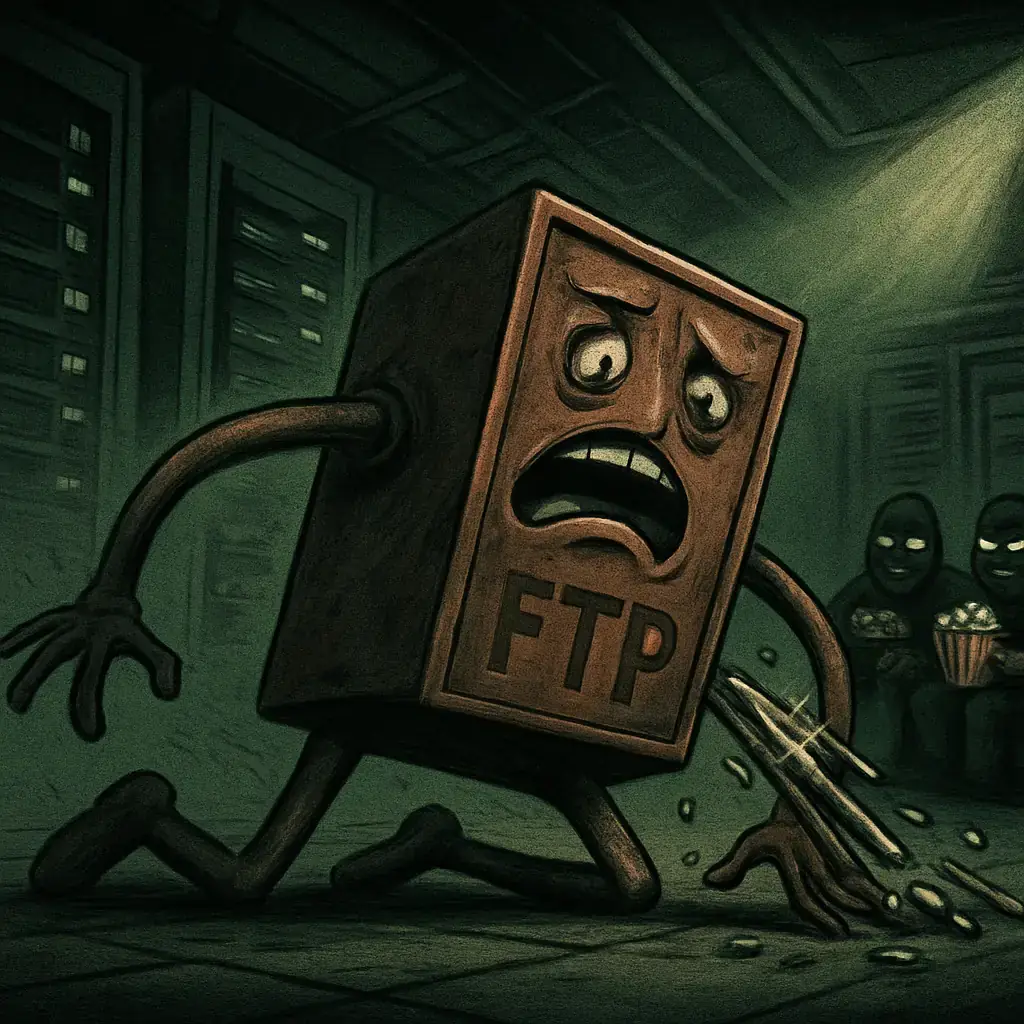
This incident should not be read in isolation: Serv-U has been a recurring target in previous campaigns and has been used by groups of ransomware and other criminal actors, making any new vector a relevant operational risk for organizations with regular file exchange flows. The existence of exploitation in the real world implies that even a "single" impact of DoS can become a lever for extortion, diversion of major incidents or business interruption.
The immediate actions recommended for safety are clear: prioritize the installation of the official patch (update to Serv-U 15.5.4 HF1) and, if it is not possible to apply the update immediately, implement perimeter mitigation. Limit access to service by access control lists, block at proxy level or WAF requests including headers Content when the service does not require them, and apply rate / connection limit rules to reduce the risk of resource consumption.
Before applying broad header blocks, organizations should validate that there are no legitimate customers that depend on that channel; an indiscriminate block in proxies or balers may interrupt valid integrations. As a temporary alternative, activate rules in IPS / WAF to detect and deny only observed malicious patterns, and bring critical service behind a swimmer with timeouts policies and concurrence limits.
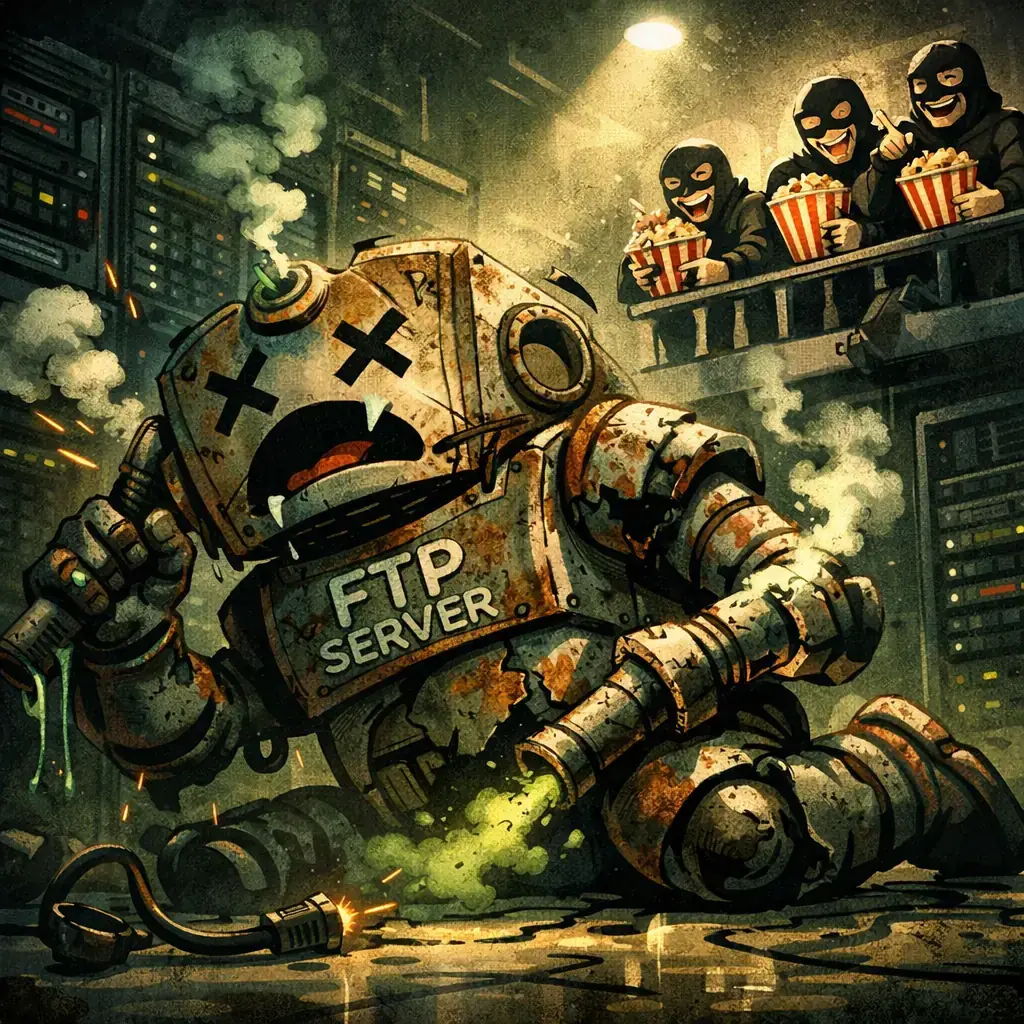
From the perspective of detection and response, it is important to implement monitoring: to search the unusual POST server and network records with Content-Encoding: deflate, spikes of Serv-U processes that consume CPU / memory, restart of service and patterns of anomalous requests from external origins. If an intrusion or commitment is confirmed, isolate the affected instance, preserve records and follow incident response procedures to investigate scope and possible exfiltrations.
For managers who manage multiple instances, make an urgent inventory of Internet-exposed Serv-U servers and evaluate their version is critical; external scanning tools can detect accessible servers, but they must be used with internal authorization to not violate policies. The federal authorities have set a period of mediation for civil agencies until 19 June 2026, which underlines the need for rapid action in government and private environments.
The operational lesson remains the same: to maintain an effective parking cycle, to reduce unnecessary exposure to Internet services, and to combine patches with perimeter mitigation and traffic visibility. For official documentation and follow-up, see the CISA page on exploited vulnerabilities Known Exploited Vulnerabilities (KEV) and SolarWinds product information about Serv-U SolarWinds Serv-U. For technical details and registration of the CVE, the NIST / NVD maintains public data sheets for vulnerability CVE-2026-28318.

FBI and six countries link Integrity Technology Group to entity post theft in SE Asia
On October 8, the FBI and agencies in six countries issued a joint warning that assigns to a Chinese company, Integrity Technology Group, a sustained series of intrusions whose ...

Campaign with LLM and ARTEX attacks South Korean financial institutions and exfilters data
Security researchers have documented a campaign directed against South Korean financial institutions using language-driven attack tools to automate intrusions and data extractio...

ChainDrop campaign exposes tensorlake in npm; version 0.5.144 withdrawal
A package of npm called tensorlake, an SDK in TypeScript oriented to Tensorlake applications and services, was engaged in a supply chain campaign linked to the attack family kno...

Google reports DNS kidnapping: TLS certificates for google.com.gh, google.sl and google.as
Google reported on October 6 that attackers managed to issue unauthorized HTTPS certificates for Google and YouTube names after compromising authoritative DNS records of three t...

Cyber risk in 2026 moves to workflows and IA, according to Voice of the CISO
The data added by five editions of the Voice of the CISO study - including the most recent findings of 2026 - draw a less intense change than risk location: the threat is moving...

Phishing BitB points to advertising professionals and account managers to steal MFA
Security researchers have described a phishing campaign for advertising professionals and account managers that uses a human-operated platform to mimic ad products linked to IA ...

LibreOffice / OpenOffice Calc allows remote source execution when opening ODB / JDBC leaves
Researchers have shown that a malicious spreadsheet can force LibreOffice and Apache OpenOffice to run code controlled by an attacker at the time the file is opened, without sho...