
The images in this article were generated with artificial intelligence. How we publish
The story was collected by Korean media as Maeil Kyungjae (MK) who also cited experts in on-chain analysis. Professor Cho Jae-woo, from Hansung University in Seoul, summed up the paw and compared it to leaving a physical portfolio open on the public road and saying aloud "take it": the public image of the seizure became an invitation to empty those funds. After the release, the note with the phrase was removed from the NTS website, but it was too late; the keys had been copied and used.
Beyond the point error, the case is a brutal reminder of the nature of the recovery phrases: anyone who owns them can recreate a complete portfolio on any device and move assets without the need for original hardware, PIN or prior owner's authorization. It is the reason why in cryptomoneda security so much is emphasized in the concept of "seed custody": it is not just another password, it is the absolute key.
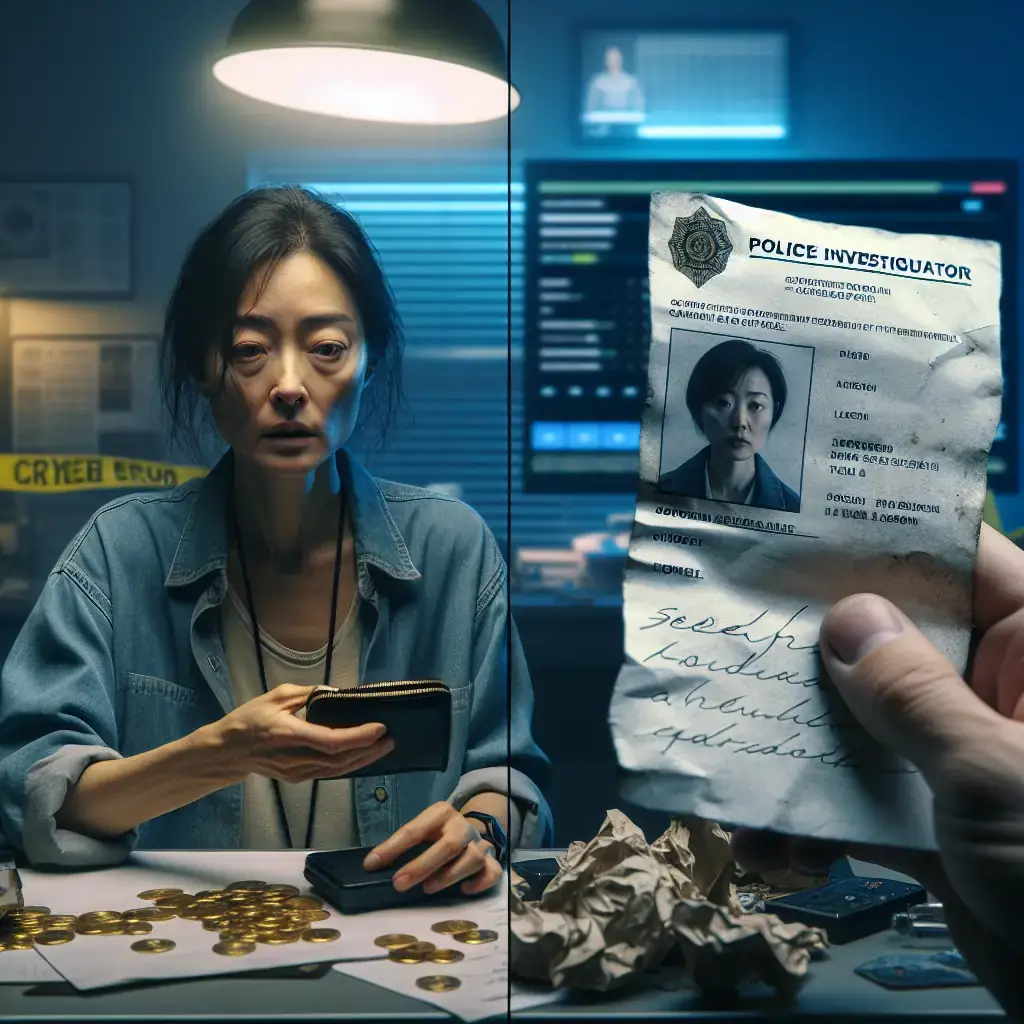
For those with a hardware portfolio, the recommendations of manufacturers and experts are clear and consistent: never to photograph the mnemonic phrase, not to save it in electronic notes, cloud services, couriers or messaging applications and to prefer resistant physical backups (metal plates, for example) that support fire or water. The official guides of the manufacturer of the device involved collect these tips and also explain the option of adding an additional "password" to increase safety; more information can be found in the Ledger documentation at its support center and in his article on passphrases Here..
In addition to physical safety practices, there are architectural security measures that mitigate the risk of such losses: multi-firm portfolios (multisig) in which several keys must sign an operation, professional custody solutions for large quantities, and the use of accounts with control mechanisms that delay unusual movements to allow a human reaction. Tools like Gnosis Safe explain how multisig works for Etheum and compatible tokens assets.
From an institutional point of view, the NTS debate raises questions about training and procedures. When the law enforcement agencies handle digital evidence involving private keys, the chain of custody must protect not only the integrity of the evidence, but also the security of the assets that remain under institutional control. Photography of evidence without careful review and without writing of sensitive information is a serious operating failure. Agencies involving digital assets need clear protocols, personnel trained in applied cryptography and legal and technical reviews before publishing material to the public.
The incident also illustrates a technical lesson about the public and permanent nature of the blockchains: all movements are recorded in a major book accessible to anyone. This helps in research and traceability, but also makes it easier for the public - and attackers - to verify real-time operations and quickly exploit a committed key. Therefore the speed of reaction is critical: if a seed has been exposed, the immediate recommendation of the experts is to move the funds to a new portfolio whose keys have not been compromised, before anyone else does.
This is not the first time that human errors cause losses in the ecosystem: there are cases where users unintentionally deleted the only copy of their seed, others where exposure through phishing or malware allowed the emptying of accounts, and also incidents where institutions leaked sensitive information. But the South Korean episode has a particularly worrying edge because the leak came from a public authority responsible for recovering assets for the State. Transparency in public operations must be compatible with the extreme care of digital testing; that is a priority that many administrations are still learning to manage.
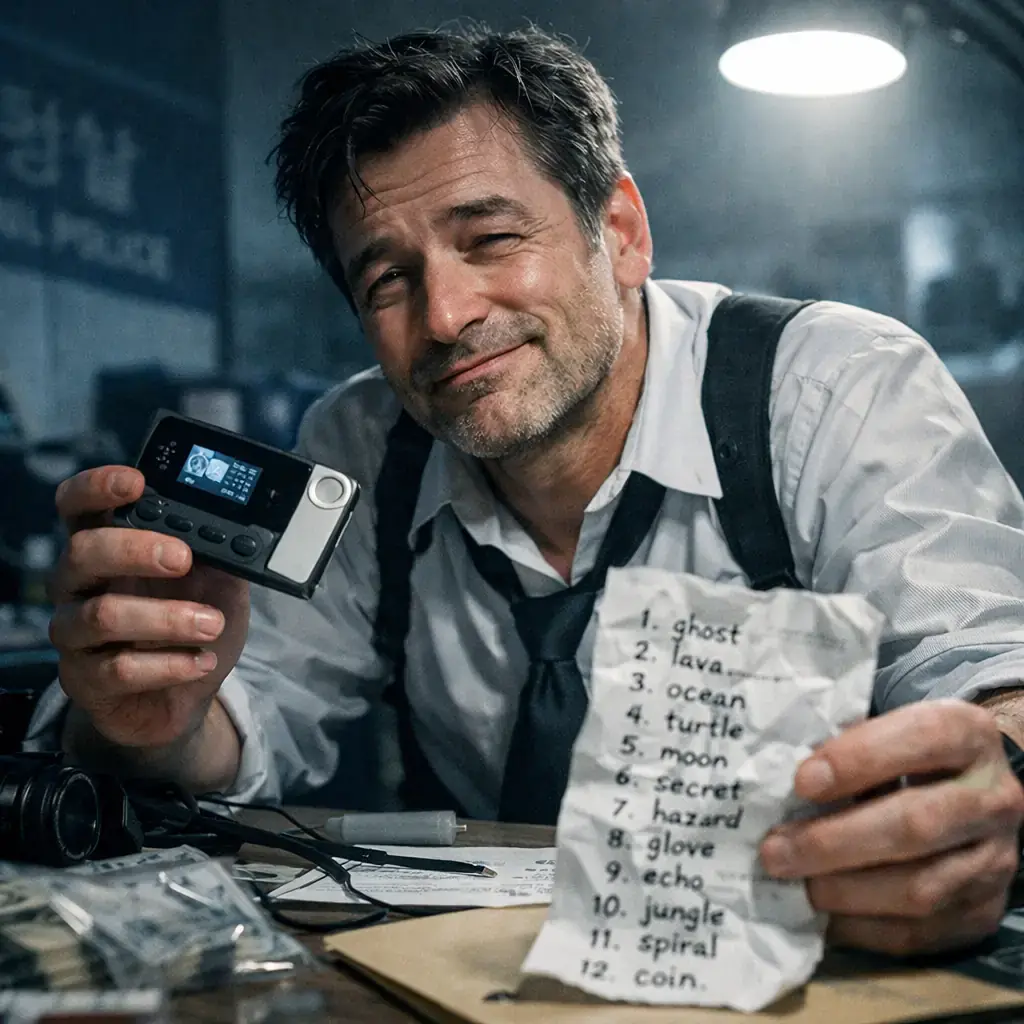
For users and professionals in the sector, the message is clear: crypto safety requires discipline and proactive measures. It is not enough to rely on a hardware device if the recovery phrases are treated like any paper; it is necessary to diversify the backup strategies, to contemplate scalated custody solutions for large balances and to maintain a constant threat mentality. If something is filtered, acting quickly can make the difference between regaining control and losing millions.
The coverage of the case in the press and on-chain data remain the main way to understand what happened and who could benefit from the escape. For those who want to consult these sources, the local chronicle is available in MK ( MK), while the initial release of the same NTS was published and subsequently removed from its official website ( NTS site). The traceability of tokens movements can be verified in public scouts such as Etherscan.
In short, the episode represents not only a timely economic loss, but an opportunity to learn: authorities must improve their protocols by dealing with digital assets and society in general must understand that in the world the confidentiality of the recovery phrase is as critical as the physical custody of any treasure. Ignoring that basic rule can cost millions in a matter of minutes.

Florida, Iowa, Montana and Nebraska sue TP-Link Systems for security and source of routers
On October 6, four State Attorney General filed complaints against TP- Link Systems in U.S. state courts - in addition to a previous Texas lawsuit - for business practices relat...

FBI and six countries link Integrity Technology Group to entity post theft in SE Asia
On October 8, the FBI and agencies in six countries issued a joint warning that assigns to a Chinese company, Integrity Technology Group, a sustained series of intrusions whose ...

Campaign with LLM and ARTEX attacks South Korean financial institutions and exfilters data
Security researchers have documented a campaign directed against South Korean financial institutions using language-driven attack tools to automate intrusions and data extractio...

ChainDrop campaign exposes tensorlake in npm; version 0.5.144 withdrawal
A package of npm called tensorlake, an SDK in TypeScript oriented to Tensorlake applications and services, was engaged in a supply chain campaign linked to the attack family kno...
Google reports DNS kidnapping: TLS certificates for google.com.gh, google.sl and google.as
Google reported on October 6 that attackers managed to issue unauthorized HTTPS certificates for Google and YouTube names after compromising authoritative DNS records of three t...
Cyber risk in 2026 moves to workflows and IA, according to Voice of the CISO
The data added by five editions of the Voice of the CISO study - including the most recent findings of 2026 - draw a less intense change than risk location: the threat is moving...