
The images in this article were generated with artificial intelligence. How we publish
The Netherlands National Police (Politie) has confirmed that it was the target of a phishing attack that got access to some of its systems, although for now the entity claims that the damage is contained and that the citizenship data have not been compromised. According to the official communiqué, the incident was quickly detected by the security operations centre and the committed accounts or accesses were immediately blocked while an internal investigation and a parallel criminal investigation continue.
The early reaction is the most outstanding note: in an environment where attacks are increasingly sophisticated, the ability to detect and respond significantly reduces the risk that an intrusion will become a large-scale leak. The Police itself explained in its official note that, in principle, there is no indication that information from citizens or investigation data has been consulted or exposed; however, the body security officers keep the checks open to confirm the actual scope of the incident. You can read the Politie statement here: Politie - official communiqué.
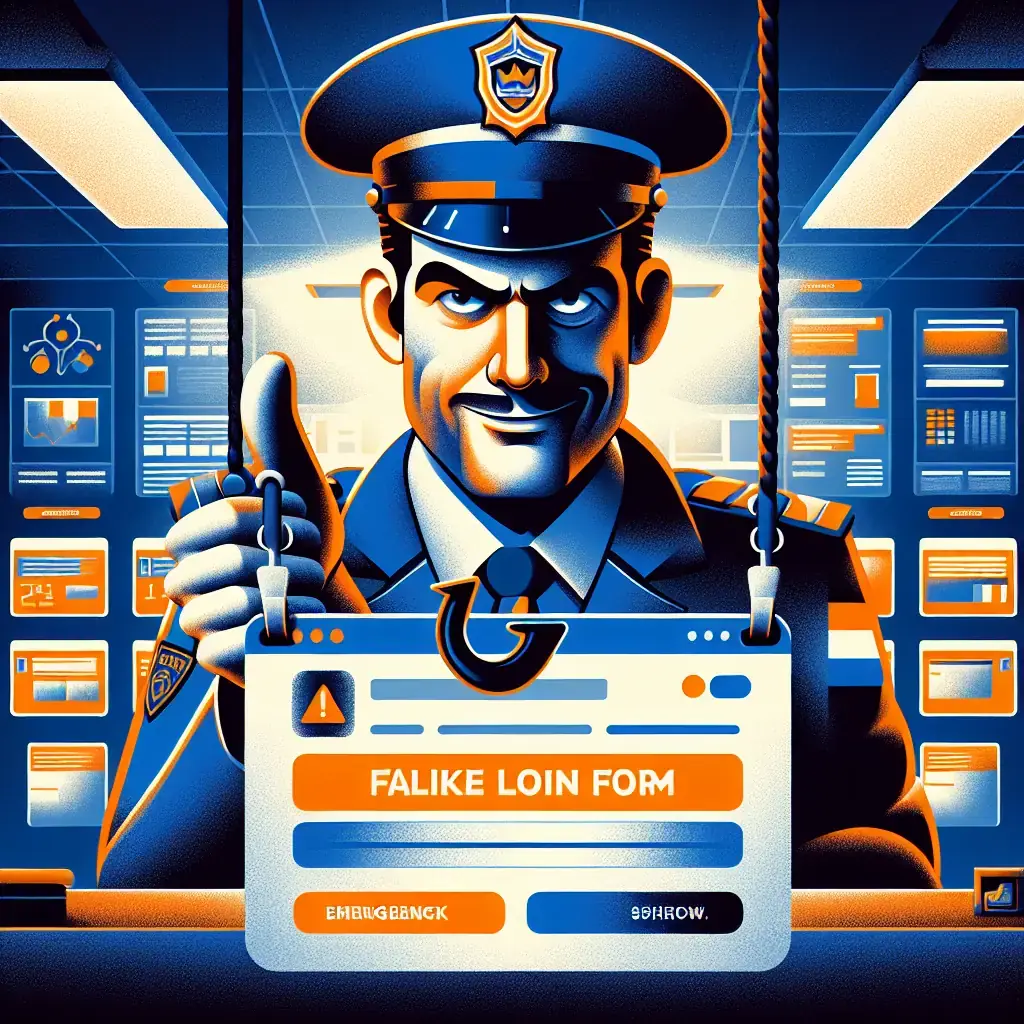
The public details remain limited. Specialized means that have sought further information noted that the Police did not immediately answer specific questions about which systems or accounts were affected or whether there are personnel whose personal registration has been compromised. This lack of temporary transparency is common in the early days following an incident of cybersecurity: organizations often prioritize the containment and preservation of evidence before providing a complete X-ray to the press.
This incident comes in a sensitive context for the institution: in September 2024 the Dutch police already made public a leak resulting from a cyber attack that was linked to a state actor. This episode affected the work data of several agents - names, posts, phones and, in some cases, private information - and triggered an investigation into the nature and extent of the escape. Following this incident, the authorities strengthened measures such as authentication of two factors and continuous monitoring of systems, precisely to minimize the impact of future attacks.
Why is phishing still so effective? Because it exploits a human vulnerability rather than a technical technique: even with modern systems and layer controls, a convincing mail or a forged login page can fool a worker who opens an attachment, clicks on a link or enters credentials into a fraudulent form. The attackers combine social engineering, information collected in networks and increasingly realistic supplanting techniques to gain initial access and move laterally within a network.
The fact that an institution as critical as the police are objective underlines the asymmetric nature of the cyberconflict: a single well-directed action can put at risk essential services or expose sensitive information. This is why the response has several legs: to stop unauthorized access, to analyse what has been compromised, to review the records to detect data exfiltration and, if appropriate, to open a criminal investigation to identify and prosecute those responsible.
Practical lessons and priorities. For public and private organizations, the priority remains to reduce the area of attack and to accelerate detection. Measures such as multifactor authentication, network segmentation, strict privilege management policies and regular phishing simulations help contain damage when social engineering is successful. At the citizen level, the recommendation is to keep personal accounts up to date and to distrust unsolicited communications requesting credentials or sensitive information. To deepen good practices and advice on practical cybersecurity, resources such as the National Cyber Security Centre of the Netherlands ( NCSC Netherlands) and European bodies offer guides and notices.
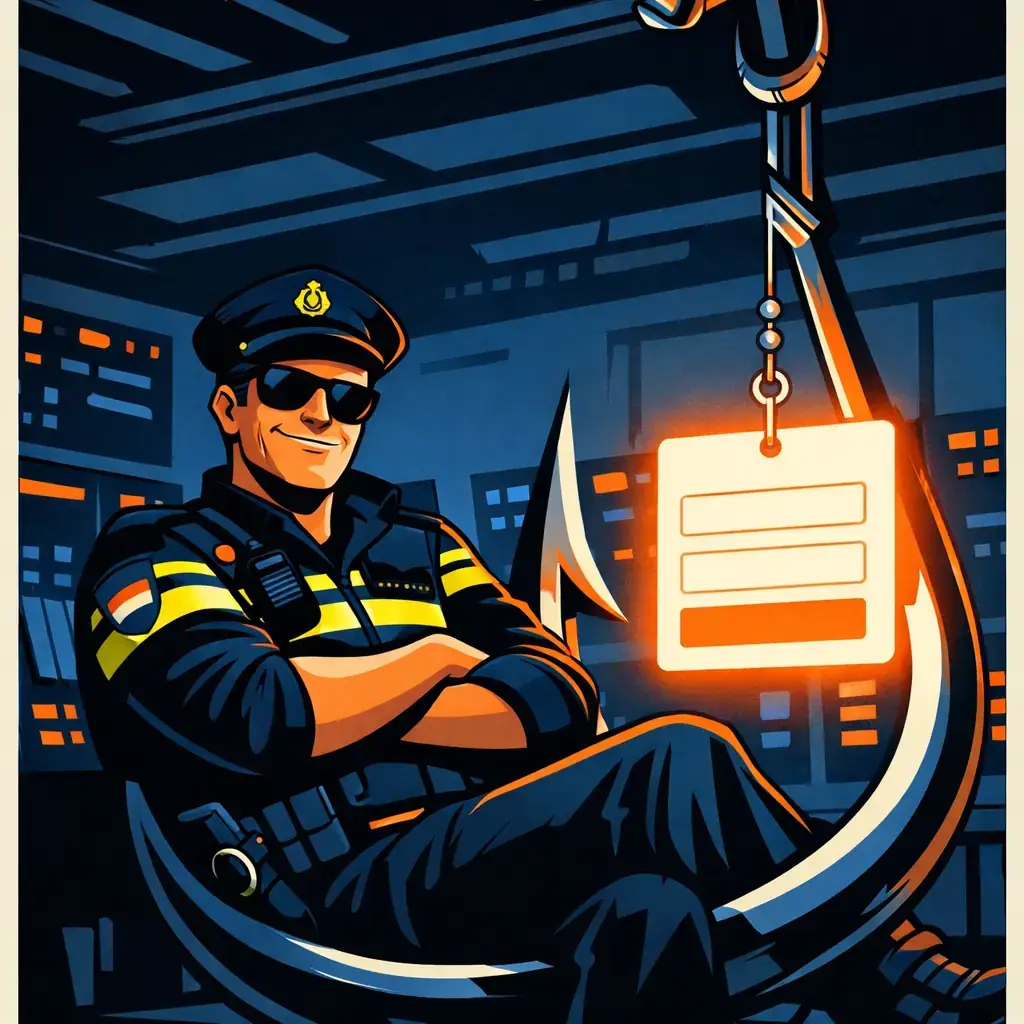
Beyond technique, there is a strategic aspect: attribution and collective response. When previous incidents have been linked to State actors, diplomacy, international intelligence cooperation and collaboration between law enforcement and cybersecurity companies become essential tools for understanding origin and mitigating future risks. In the European Union and at international level, bodies such as Europol They work to coordinate efforts against cyber criminals and malicious actors that operate on a large scale.
For now, the positive note is that the Dutch police state that the impact seems limited and that the containment has been achieved quickly. However, the complete truth will only appear as internal and judicial investigations advance. In this period, transparent communication, the exchange of engagement indicators with partners and the review of internal controls will be decisive in restoring confidence and preventing similar incidents from recurring.
If you follow the evolution of this history, it is appropriate to consult official sources and technology that verify the progress of research. A reasonable follow-up and some prudence in the interpretation help to separate the justified alarm from premature speculation.

Attack with IA agents orchestrated by Chinese attacker exposes Cairn panels and credentials
A set of self-contained artificial intelligence agents was led by a Chinese-speaking attacker against corporate shops and websites, and a security investigator was able to obser...

OpenAI engineer arrested by hidden recorder in office board room in San Francisco
A United States court this week authorized the arrest of Abdulrahman Alfozan, an engineer who worked in OpenAI, following the U.S. government's charges for placing a hidden reco...

Four Plex2Shell CVE allows remote execution and mining and proxy backdoor deployment
In recent days, an increase in attacks has been confirmed that take advantage of a chain of failures in Plex Media Server - nicknamed "Plex2Shell" by researchers - to run code r...

GhostAction Expands Attack: phishing to steal credentials and persistence in VS Code
A group behind the GhostAction campaign - already known for infiltrating GitHub Actions workflows into open source projects - has expanded its arsenal: in addition to installing...

ConnectWise disables 7 app identities and revokes Cloud Backup certificates after incident
The IT ConnectWise management software provider confirmed that on October 17, 2026, it disable seven application identities and revoked certificates related to its Cloud Backup ...

Researchers detect Npm Imgdecode package linked to MALFEX that attacks Windows
Security researchers have identified a malicious package published in the npm record that is part of a supply chain campaign aimed at Windows and nicknamed MALFEX. The package, ...

OpenBSD 7.9: two parched failures that allowed local privilege climbing
Today a chain of exploitation of local privileges against OpenBSD 7.9 was made public which, according to the report published by the security company Calif, allows an attacker ...