
The images in this article were generated with artificial intelligence. How we publish
The Ukrainian police arrested three persons accused of having stripped and marketed more than 610,000 accounts of the Roblox platform in a scheme that, according to the authorities, generated about $225,000 between October 2025 and January 2026. The official records detail that the researchers conducted 10 records in the Leópolis region and seized cash and a large number of electronic devices, and that among the accounts committed there were at least 357 profiles considered "high value" for their inventory and balance.
The operating mode described by the Public Prosecutor's Office shows a pattern that combines social engineering and malware: the alleged head, a 19-year-old, captured collaborators in play forums and promoted an alleged "enhancer" for Roblox who actually installed an info-stealer on the victims' teams. With the credentials removed, the group evaluated the accounts for rarity of objects, Robux balance and seniority, and sold them on a Russian website and in closed communities.
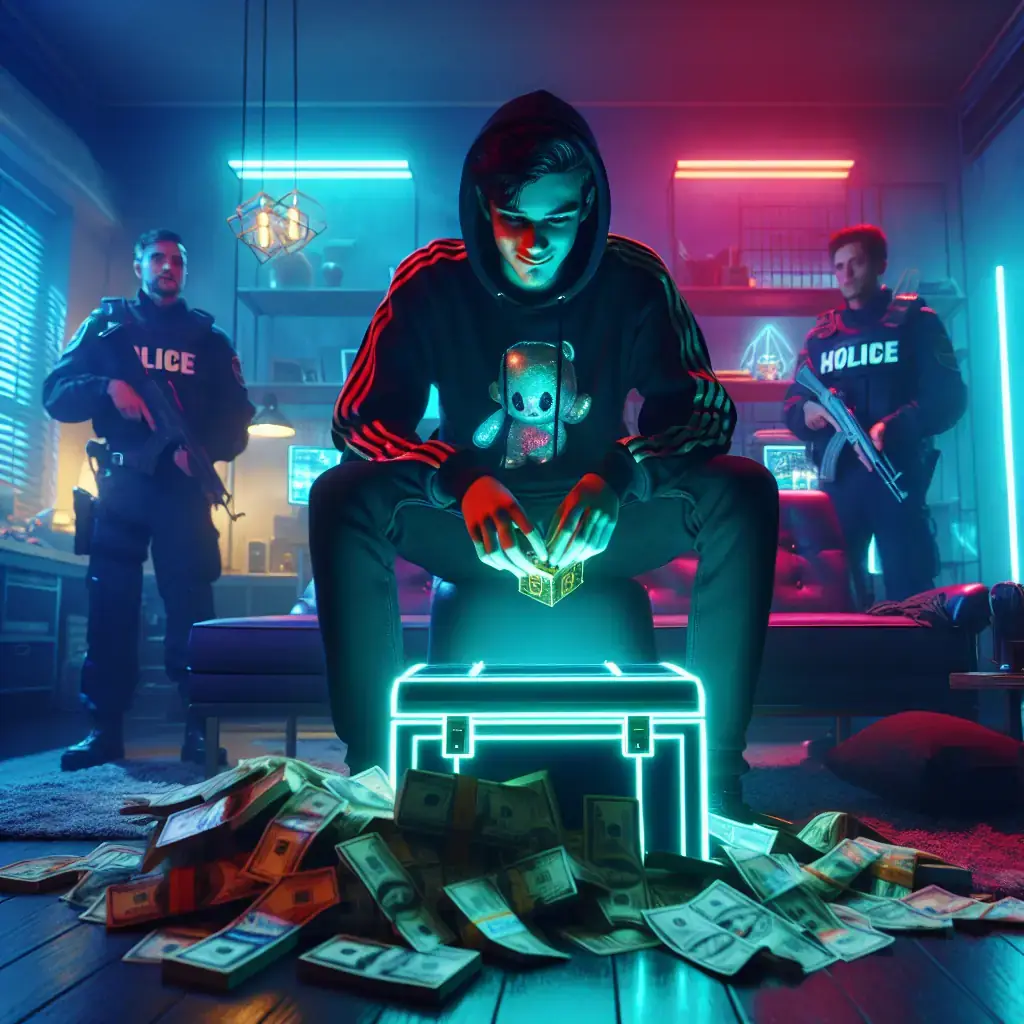
This case puts on the table why the accounts of digital creation and trading platforms are no longer just "game profiles": in addition to hours of progress they are deposits of monetary value - Robux, limited objects, access to payment content and domestic economies - that can become marketable goods or currency in parallel markets. The Office of the Prosecutor of Ukraine provides further information in its official communiqué: https: / / www.gp.gov.ua /....
The implications are multiple: For users it means loss of access, theft of objects and possible financial fraud; for creators and platform, erosion of confidence and reputational risk; and for authorities, the need to expand international cooperation to track the funds, close illicit markets and pursue the malware distribution chain. The exchange of accounts and digital objects often cross jurisdictions, which complicates both asset recovery and the identification of final buyers.
From a technical point of view, the info-stealers and the false game "betters" are known tactics: they ask for permits, install components that record keys or extract cookies and tokens, and exfilter stored credentials. Prevention involves combining digital hygiene practices with technical controls: multifactor authentication, unique passwords, updates and detection of abnormal behavior in sessions.
If you are a player, parent or account manager, take immediate action: change passwords and activate verification in two steps, check the log-in history and related devices, contact platform support and report unauthorized transactions. Roblox maintains security guides and concrete steps to protect accounts at its help center: https: / / en.help.roblox.com /.... In addition, if you suspect that your device is infected, do an analysis with reputable anti-malware solutions and consider restoring from a secure backup.
For platform operators and digital markets the lesson is clear: to strengthen the detection of anomalous login, to penalize the sale of accounts in terms of service, to audit third-party integrations and to provide rapid reporting and recovery for users who are victims of subplanting. Working with security findings rewards programs and sharing indicators of engagement with the incident response community can reduce the exposure window.

The security forces, for their part, need to continue to strengthen cross-border collaboration to identify paywalkways, command and control servers and markets that facilitate the monetization of stolen assets. The confiscation of cash and devices in Leópolis is a step, but long-term effectiveness requires coordinated efforts against buyers and services that support these markets.
This case is a reminder that game accounts can be valuable assets and, as such, require proportional protection. The combination of education for young users, platform controls and police action is essential to mitigate the risk and reduce the cost-effectiveness of such crimes.
If you need practical instructions to secure an account or to respond to a profile kidnapping, consult official resources and organizations specialized in digital security; in addition to the Roblox guide, public security entities offer advice on how to act after an account kidnapping: https: / / www.fbi.gov /....

FBI and six countries link Integrity Technology Group to entity post theft in SE Asia
On October 8, the FBI and agencies in six countries issued a joint warning that assigns to a Chinese company, Integrity Technology Group, a sustained series of intrusions whose ...

Campaign with LLM and ARTEX attacks South Korean financial institutions and exfilters data
Security researchers have documented a campaign directed against South Korean financial institutions using language-driven attack tools to automate intrusions and data extractio...
ChainDrop campaign exposes tensorlake in npm; version 0.5.144 withdrawal
A package of npm called tensorlake, an SDK in TypeScript oriented to Tensorlake applications and services, was engaged in a supply chain campaign linked to the attack family kno...

Google reports DNS kidnapping: TLS certificates for google.com.gh, google.sl and google.as
Google reported on October 6 that attackers managed to issue unauthorized HTTPS certificates for Google and YouTube names after compromising authoritative DNS records of three t...
Cyber risk in 2026 moves to workflows and IA, according to Voice of the CISO
The data added by five editions of the Voice of the CISO study - including the most recent findings of 2026 - draw a less intense change than risk location: the threat is moving...
Phishing BitB points to advertising professionals and account managers to steal MFA
Security researchers have described a phishing campaign for advertising professionals and account managers that uses a human-operated platform to mimic ad products linked to IA ...