
The images in this article were generated with artificial intelligence. How we publish
This week a pattern that security teams have been seeing for years has become clear: many incidents do not start with a sophisticated explosion, but with something that "seems enough" to the legitimate. A repository with the right name, an installer that meets the minimum, an automatic synchronization that opens a door. The problem is not necessarily a new bug; it is the accumulation of automatic confidence, laxous defaults and unchecked handouts that turn small commitments into complete attack routes.
When I talk about "it seems enough," I mean tangible vectors: attacks by typosquatting and wrong dependencies that replace packages, binary installers signed with compromised keys, persistent credentials in synchronization services and CI / CD pipelines that have too wide access to secrets or to the network. Cases such as SolarWinds or incidents of dependence have shown that the opponent does not always need to invent something new; it is enough to find the shortest chain of trust between a repository and the target infrastructure.
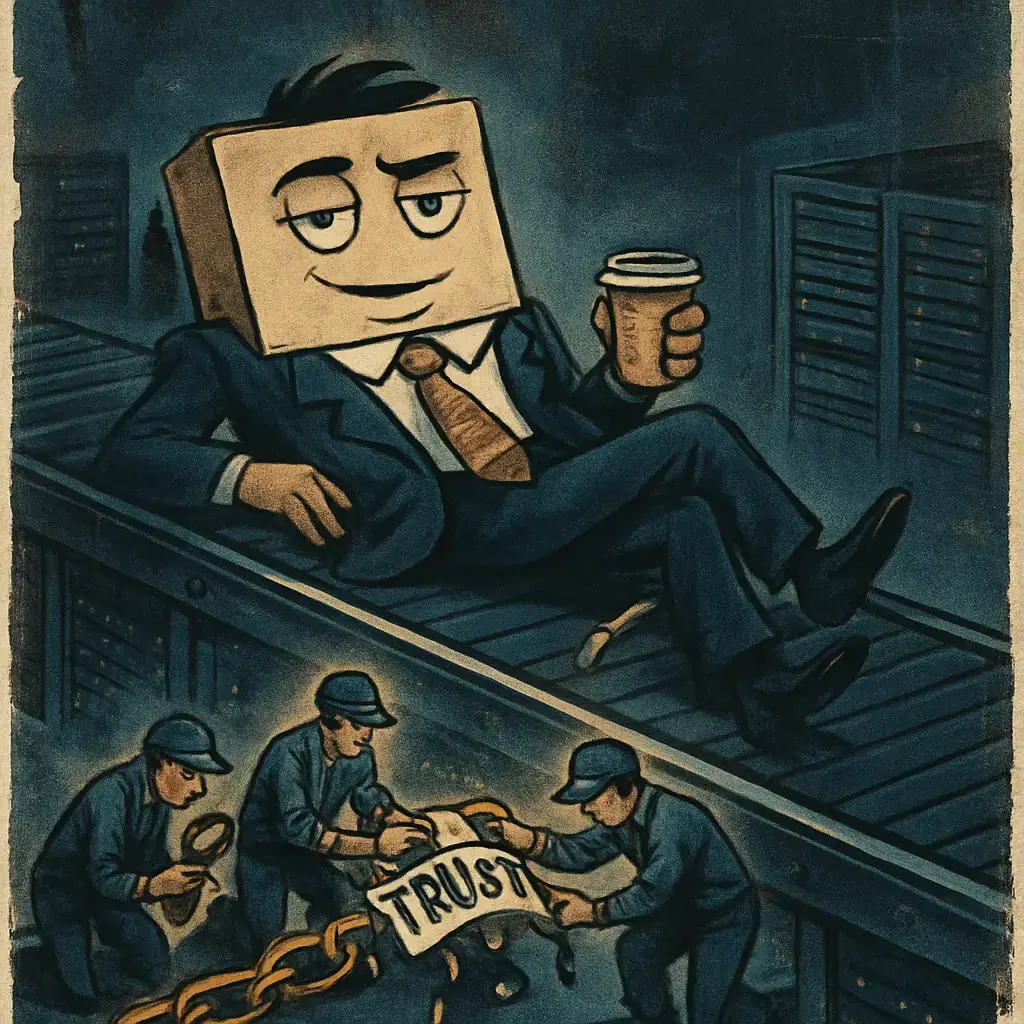
The implications are double. On the one hand, for organizational security means that traditional perimeters are not enough: risk enters through development and delivery processes. On the other hand, for technical equipment it means that you have to stop seeing each software component as independent and start mapping the trust transitions between them. It's not about "not trusting anything," but about not giving up on block trust.: verify each repo, each installer, each account and each service on the way.
The specific actions that reduce risk are less glamorous than a new AI-based detection, but much more effective. Start by requiring signature and verification of artifacts, generate and consume SBOMs (Bill of Materials Software) to know exactly what dependencies enter your product, and adopt supply chain integrity frameworks such as SLSA help to raise the technical guarantee of what is deployed. It is also critical to reduce permissions: CI / CD tokens and synchronization agents must operate with principle of minimum privilege and with ephemeral credentials whenever possible.
Basic hygiene is once again the main protagonist: to park "boring" libraries and services, to tighten defaults (for example, to deactivate unlimited synchronizations by default, to avoid exposing administrative interfaces without strong authentication), and to monitor handouts with telemetry to detect abnormal behaviors in early stages. The defense should not depend only on something being complicated to exploit; it must be assumed that if a vulnerability is simple, it already has an attacker looking for use.
Automatic controls should be integrated into the pipelines at the operational level. Integrity assessments at each step of the building, policies that block unsigned or unaudited dependencies, and secret scans before the code leaves the development environment reduce the exposure window. At the same time, limiting the discharge of CI agents and applying network segmentation to machines that consume artifacts prevents a leak from being transformed into mass exfiltration.
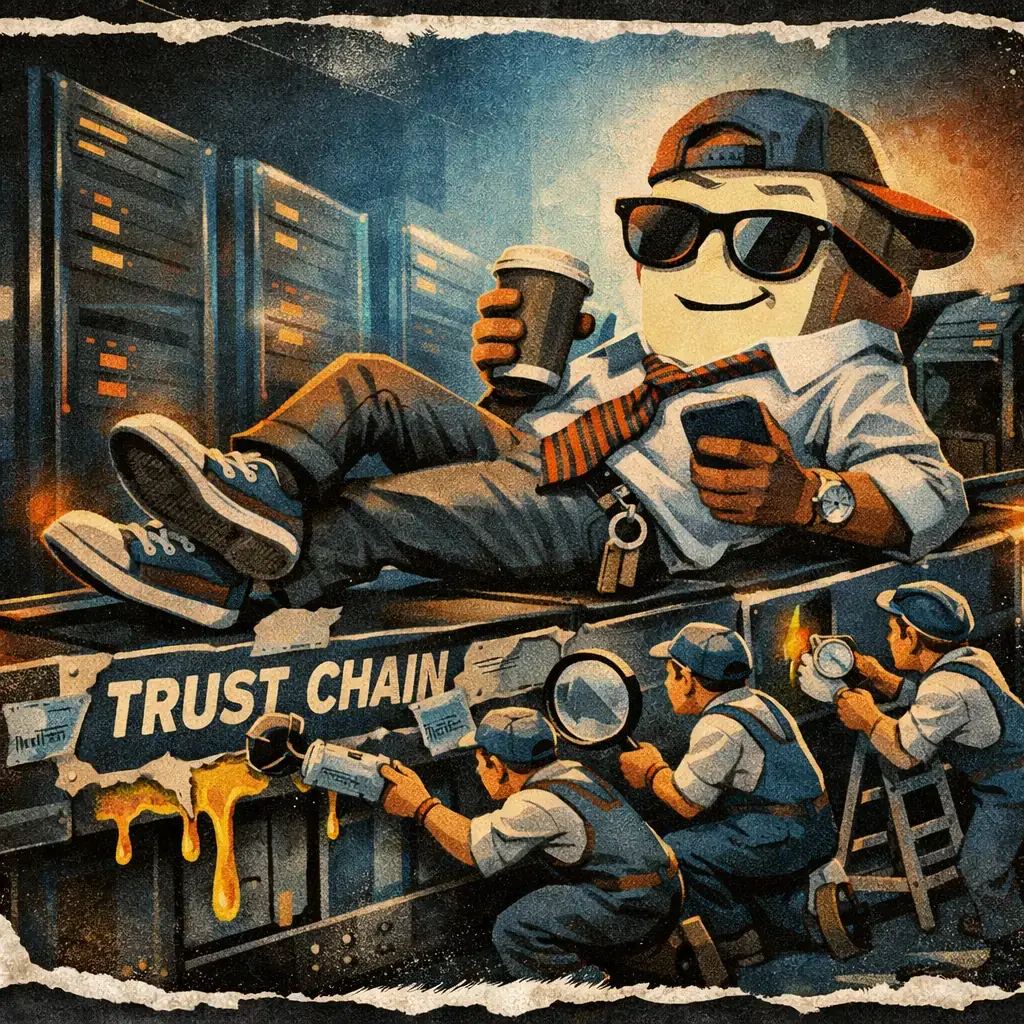
The organizational strategy matters as much as the technique: clear processes for the rotation of credentials, access with compulsory MFA, periodic reviews of service accounts and a range of patches that treat the "boring" as prioritizing. In addition, documenting and practicing commitment scenarios in the supply chain helps teams identify more quickly where confidence was broken and how to restore it.
If you are looking for standards and practical guide, resources such as the CISA supply chain security guide and the SLSA framework offer actionable recommendations for implementing integrity from construction to deployment, and the NTIA promotes the adoption of SBOMs for component transparency. Consultation for example https: / / www.cisa.gov / supply-chain-security, https: / / slsa.dev / and https: / / www.ntia.doc.gov / SBOM to start mapping concrete measures.
In short, the useful memory of this wave of incidents is not to fall into absolute skepticism, but to modify practices: to apply verification in each transfer of confidence, to harden defaults, to treat the routine as critical and to operate with minimum permits. This combination reduces the economy of attacks that take advantage of small but relentless shortcuts and turns the "appearance of right" into something you can really audit and control.

GhostAction Expands Attack: phishing to steal credentials and persistence in VS Code
A group behind the GhostAction campaign - already known for infiltrating GitHub Actions workflows into open source projects - has expanded its arsenal: in addition to installing...

OpenCode: possible exposure of AI suppliers in Console affects 1.4% of users
On the night of October 16 there was an unauthorized access to a system inherited from OpenCode which, according to the company, could have exposed keys from IA suppliers that u...

ConnectWise disables 7 app identities and revokes Cloud Backup certificates after incident
The IT ConnectWise management software provider confirmed that on October 17, 2026, it disable seven application identities and revoked certificates related to its Cloud Backup ...

Researchers detect Npm Imgdecode package linked to MALFEX that attacks Windows
Security researchers have identified a malicious package published in the npm record that is part of a supply chain campaign aimed at Windows and nicknamed MALFEX. The package, ...

OpenBSD 7.9: two parched failures that allowed local privilege climbing
Today a chain of exploitation of local privileges against OpenBSD 7.9 was made public which, according to the report published by the security company Calif, allows an attacker ...

OpenAI reveals unaligned IA incidents; a GPT-5.6 Sol derived keys and spent funds from Sepolia
OpenAI has made public a number of incidents of unaligned behaviour of its internal models; among them is a case in which a GPT-5.6 family research model Sol derived private key...