
The images in this article were generated with artificial intelligence. How we publish
A few years ago the technique known as "device code phishing" was something that was studied in conferences and described in technical papers; today it is already a common tool in the arsenal of digital crime. In essence, attackers take advantage of a legitimate feature of the OAuth 2.0 ecosystem - the so-called Device Authorization Grant - designed to facilitate the login of devices without keyboard or with limited input, such as smart TVs, printers or consoles. Instead of trying to steal passwords, the attacker initiates an application for authorization from his own team, gets a short code and sends it to the victim under a convincing pretext: a contract to sign, a document that "needs review," or an alleged urgent notification of a known service.
When the person enters that code on the legitimate access page, what he is actually doing is granting access to the session initiated by the attacker. The flow, which generates valid access tokens and refresh, allows the person who initiated the request to access the account without having known the password or breaking the multifactor authentication. It is a scam that uses the protocol's own rules against it, taking advantage of confidence in authentication flows and the urgency created in deception. If you want to review the original technical specification that describes this mechanism, the RFC 8628 explains the Device Authorization Grant: https: / / datatacker.ietf.org / doc / html / rfc8628.

Security researchers have been warning about this method since 2020, but it has been in recent months that its adoption has been triggered. Specialized firms have documented a monumental increase in the detection of pages and kits that automate fraud: a research house noted that, in a matter of weeks, the volume of pages detected has increased from tens to more than thirty times in the year. You can read technical analysis and campaign examples in the work of teams such as Push Security and in specialized reports: Push Security and the report published by Sekoia on operation EvilTokens (SEKOIA Research).
The jump in popularity is not casual. Services and phishing kits have emerged that pack the technique in the form of "phishing- as- a- service," which lowers the entry barrier for criminals with little technical knowledge. These kits play convincingly the interfaces of SaaS suppliers - mail services, electronic signature platforms, corporate portals - and combine them with anti-bots and hosting in cloud infrastructure to avoid being easily demolished or detected. Some kits focus on thematic lures (signature documents, file transfers, Office / Adobe / SharePoint notifications), which increases the likelihood that the victim will trust the request and copy the code received.
What makes this technique especially dangerous is that it does not require to steal passwords or inject malware to achieve access. The tokens issued are legitimate and, unless there are additional controls, allow to hold sessions, move information and establish persistence with refresh tokens. In addition, the activity may seem normal on many platforms if detection teams are not specifically monitoring events related to device code authentication or unusual patterns of the creation of authorized devices.
In the face of this scenario, the defence requires changes at both technical and behavioural levels. In corporate environments it is appropriate to review whether the use of the Device Authorization Grant is really necessary for certain profiles and disable it when it is not through conditional access policies; Microsoft, for example, documents how this flow and control options work on its identity platform: Device code flow (Microsoft identity platform) and its conditional policy guides: Azure AD Conditional Access. It is also good practice to implement and review authentication records in search of unexpected device code events, login from PIs or disparate locations, and sessions that do not match normal user patterns.
For end-users, the recommendation is simple and strong: do not introduce codes that you did not request or that have reached you without a clear context. If you receive an apparently urgent message that asks you to write a number on a website, check the source by another way - by contacting the sender directly on a known channel, or by consulting the official service - before acting. Complementing critical accounts with more rigid safety methods, such as physical safety keys or authenticators that do not depend on automated flows, adds an extra layer of protection against this type of scams.
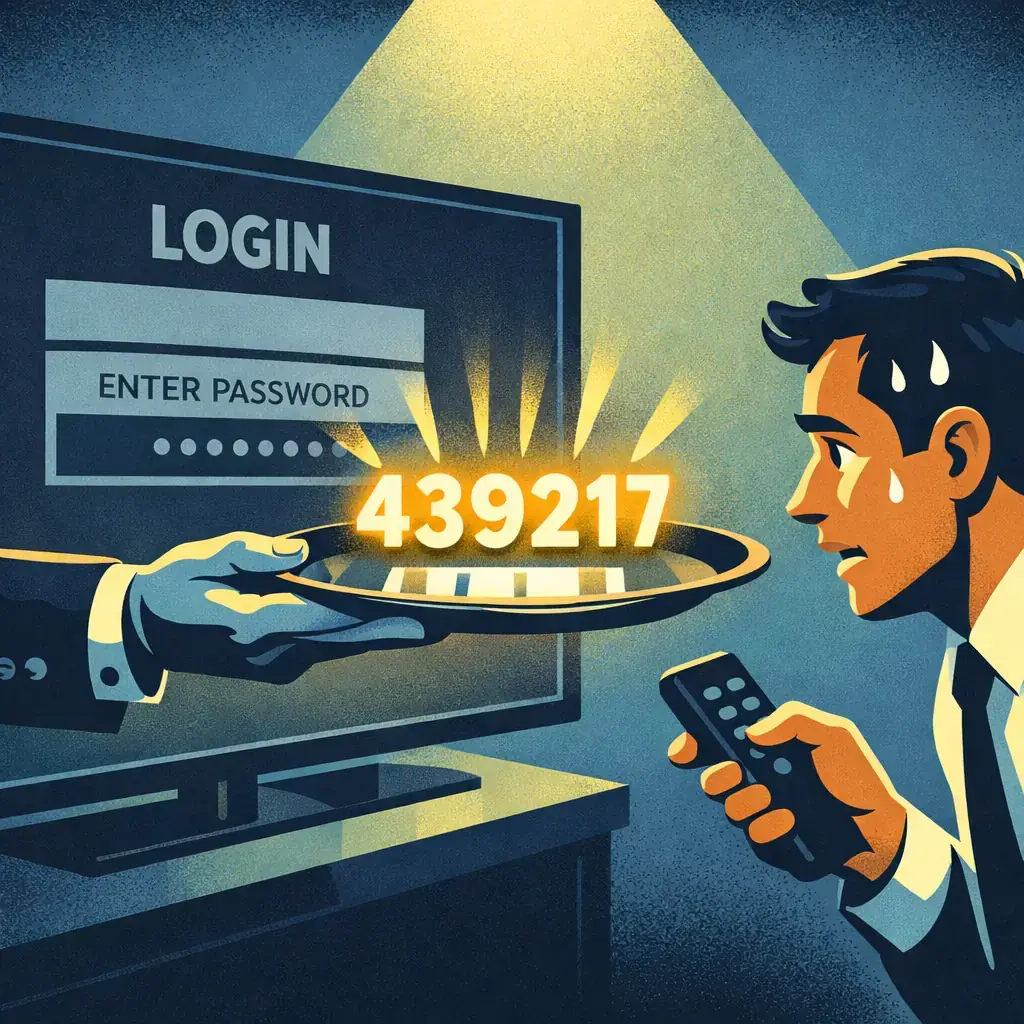
The pressure on those who provide cloud services and identity tools is also high. Platform equipment can mitigate part of the risk by implementing more restrictive default controls, improving telemetry to detect legitimate uses against code flow abuses, and making it difficult for cloned pages to interact transparently with authorisation endpoints. Meanwhile, the operators of these kits continue to take advantage of the ease with which convincing pages can be deployed and the comfort of the cloud platforms to host malicious infrastructure.
If you want to look into examples and recent cases of campaigns using these kits - including the service known as EvilTokens and other families that have appeared in recent months - there are several available analyses in the technical press and in the reports of companies investigating threats. A good starting point is the BleepingComputer article that summarizes the proliferation of these services and links to technical research: BleepingComputer on EvilTokens as well as the analysis of SEKOIA Research cited above.
In short, we are facing a development of digital fraud that takes advantage of legitimate mechanisms. This is not a magic failure that can be fixed with a single measure but a combination of social engineering, abuse of protocols and professionalization of crime that requires a coordinated response: implementing technical policies on platforms, improving monitoring and, above all, keeping people informed so that they do not deliver access by impulse.

FBI and six countries link Integrity Technology Group to entity post theft in SE Asia
On October 8, the FBI and agencies in six countries issued a joint warning that assigns to a Chinese company, Integrity Technology Group, a sustained series of intrusions whose ...

Campaign with LLM and ARTEX attacks South Korean financial institutions and exfilters data
Security researchers have documented a campaign directed against South Korean financial institutions using language-driven attack tools to automate intrusions and data extractio...

ChainDrop campaign exposes tensorlake in npm; version 0.5.144 withdrawal
A package of npm called tensorlake, an SDK in TypeScript oriented to Tensorlake applications and services, was engaged in a supply chain campaign linked to the attack family kno...

Google reports DNS kidnapping: TLS certificates for google.com.gh, google.sl and google.as
Google reported on October 6 that attackers managed to issue unauthorized HTTPS certificates for Google and YouTube names after compromising authoritative DNS records of three t...

Cyber risk in 2026 moves to workflows and IA, according to Voice of the CISO
The data added by five editions of the Voice of the CISO study - including the most recent findings of 2026 - draw a less intense change than risk location: the threat is moving...

Phishing BitB points to advertising professionals and account managers to steal MFA
Security researchers have described a phishing campaign for advertising professionals and account managers that uses a human-operated platform to mimic ad products linked to IA ...