
The images in this article were generated with artificial intelligence. How we publish
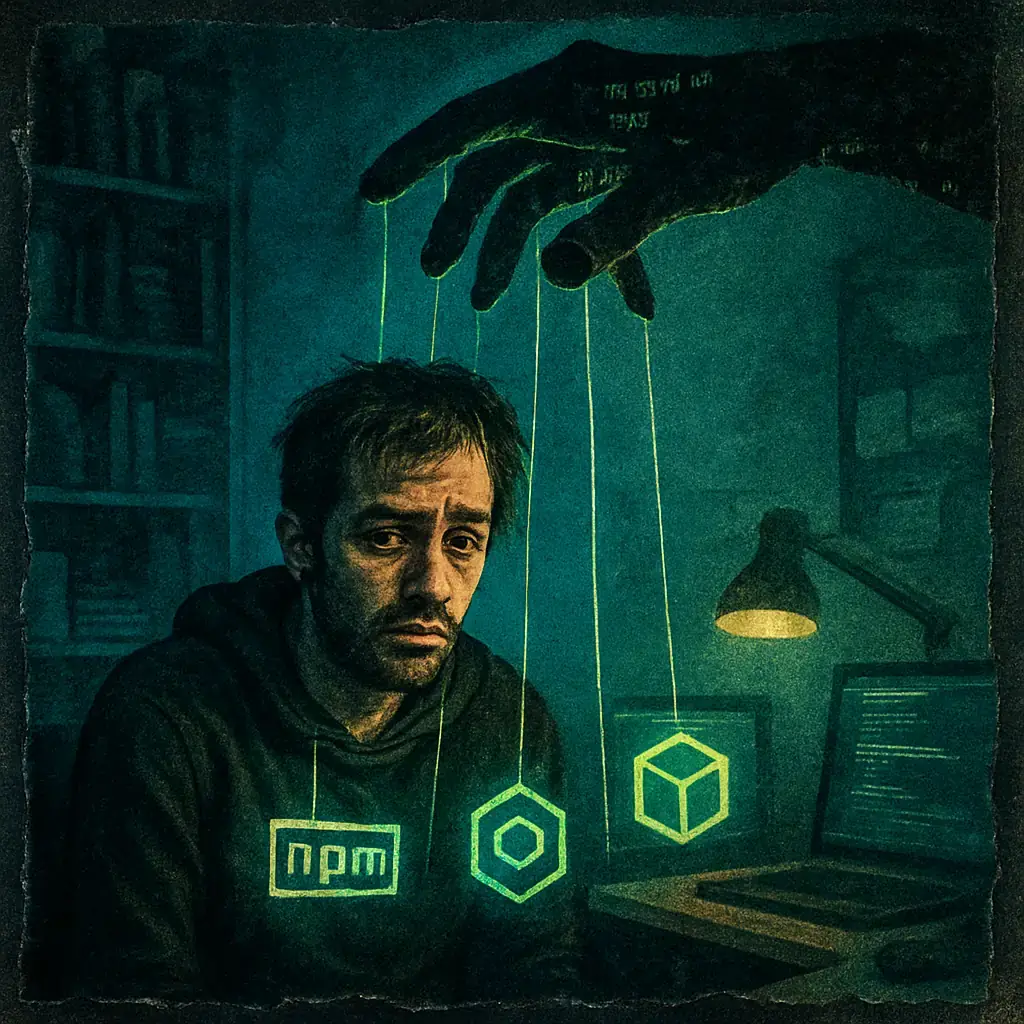
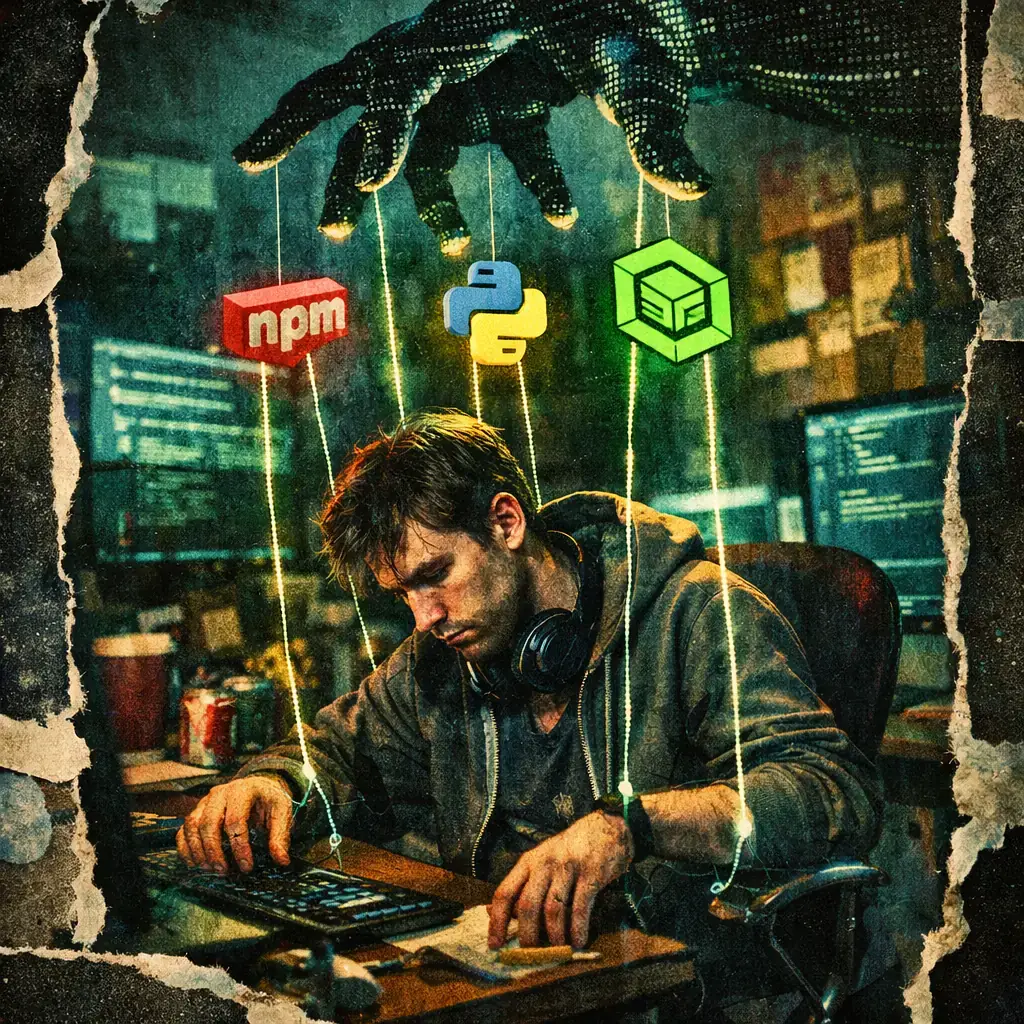
A new coordinated operation that researchers have baptized as TrapDoor has exploited the three large package repositories - npm, PyPI and Crates.io - to distribute malware whose main objective is to steal credentials and secrets from developers. According to the analysis, the campaign covers more than 34 malicious packages in more than 384 versions with the first activity registered on 22 May 2026 at 20: 20 UTC; the publications were made in waves from a set of accounts that acted in rapid succession. The attackers have specifically targeted communities related to cryptography, DeFi, Solana and IA tools, taking advantage of the fact that the developers of these ecosystems incorporate seemingly safe units in their development and deployment environments.
The delivery technique shows a multi-purpose adaptation to each ecosystem: npm were used post-install hooks and remote JavaScript loads run when importing a package; in Rust construction scripts (build.rs) were abused to run code during the compilation; and in Python the loads were designed to self-executing at the time of import. In a part of the attack, the packages download JavaScript from a domain controlled by the attacker and run it withnode -e, allowing the actor to change behavior without publishing new versions in the repositories.
The implemented malware is not limited to stealing local passwords: Scan by SSH keys, cryptomoneda wallets, environment variables, browser data and configuration files, validates credentials against APIs of AWS and GitHub and tries to establish persistence through cron, systemd, hooks of Git and other mechanisms. In Rust, an encrypted exfiltration was reported to Gists de GitHub after encryption of artifacts with a hardcodeated XOR. In addition, the campaign includes a striking tactic: files like.curorrulesandCLAUDE.mdwith hidden instructions that attempt to induce IA assistants to run "scans" that reveal secrets; the attackers were also creating the requests in popular IA projects to spread those instructions and see if normal contribution flows cause automatic tools to process code or dangerous instructions.
These variants show that the attackers combine the classic package name supplanting with modern vectors aimed at the developer's workflow. The potential consequences are serious: from direct theft of funds on wallets and partial control of cloud infrastructure to lateral climbing within corporate environments through valid keys and tokens. In addition, the use of external loads and the ability to modify behavior without publishing new versions increase the operating window and complicate mitigation based only on published package audits.
In the face of such campaigns, there are practical and urgent measures that every team and developer must consider. First, treat development machines as critical assets: use ephemeral environments or isolated containers for unit testing, restrict access to local credentials and segment the network to minimize unauthorized egress. In automated CI / CD package facilities, deactivate the execution of package scripts where possible (e.g. avoiding lifecycle scripts in npm) and use reproducible and blocked facilities using verifiable lockfiles. Explicit audit of build scripts in Rust projects (build.rs) and the Python package import code before relying on them in sensitive environments.
Security platforms and equipment must implement detection and response: monitor the creation of systemd units, changes in Git's cron and hooks, scan endpoints with EDR tools, review authentication logs for tokens validation attempts (AWS, GitHub) and search for unusual exfiltrations to Gists or other public services. If commitment is suspected, the immediate response should include the revocation and rotation of potentially exposed keys and tokens, forensic analysis of affected workstations and reconstruction from clean images. Implement minimum privilege control for tokens and keys, and audit the IAM policies in the cloud will reduce the impact if credentials are compromised.
In the preventive plane, it is essential to integrate supply chain analysis into the software life cycle: generate and verify SBOMs, use Composition Analysis (SCA) software tools that alert to new or suspicious packages, establish white lists of approved packages in critical environments and use automatic repository scanning to detect accidentally compromised secrets. It is also important to educate developers about risks such as running remote code bynode -eor installation scripts, and on the danger of accepting or implementing recommendations from unreviewed IA assistants, given the emerging use of malignant prompt engineering in this attack. For practical guidance on supply chain security and best practices on development platforms, please refer to industry documentation and guides, for example on the GitHub page on supply chain security https: / / docs.github.com / en / code-security / supply-chain-security and the explanation of life cycle scripts in npm https: / / docs.npmjs.com / cli / v9 / using-npm / scripts as well as the resources of security agencies to strengthen the resilience of the supply chain software https: / / www.cisa.gov / supply-chain.
For those in charge of the repositories, this episode again stresses the need to improve the controls of publication, detection of fraudulent accounts and analysis of post-publication behaviour. Open source project managers should review contributions that enter atypical files or instructions for automatic assistants and treat changes in building permits and scripts with special caution. Finally, developers and security teams should not confuse campaigns with similar names: TrapDoor in this case is not related to another homonymous operation that distributed fraudulent apps in mobile stores the previous week, which shows how different actors and campaigns can overlap in name but differ in objectives and techniques.
In short, TrapDoor is a reminder that the attack surface has moved to the developer's environment and the toolchain. The defense requires a combination of technical controls, operational practices and human consciousness: audit dependencies and scripts, limit privileges, isolate development environments and review any code suggested by automatic assistants before running it on machines with access to secrets.

FBI and six countries link Integrity Technology Group to entity post theft in SE Asia
On October 8, the FBI and agencies in six countries issued a joint warning that assigns to a Chinese company, Integrity Technology Group, a sustained series of intrusions whose ...

Campaign with LLM and ARTEX attacks South Korean financial institutions and exfilters data
Security researchers have documented a campaign directed against South Korean financial institutions using language-driven attack tools to automate intrusions and data extractio...

ChainDrop campaign exposes tensorlake in npm; version 0.5.144 withdrawal
A package of npm called tensorlake, an SDK in TypeScript oriented to Tensorlake applications and services, was engaged in a supply chain campaign linked to the attack family kno...

Google reports DNS kidnapping: TLS certificates for google.com.gh, google.sl and google.as
Google reported on October 6 that attackers managed to issue unauthorized HTTPS certificates for Google and YouTube names after compromising authoritative DNS records of three t...

Cyber risk in 2026 moves to workflows and IA, according to Voice of the CISO
The data added by five editions of the Voice of the CISO study - including the most recent findings of 2026 - draw a less intense change than risk location: the threat is moving...

Phishing BitB points to advertising professionals and account managers to steal MFA
Security researchers have described a phishing campaign for advertising professionals and account managers that uses a human-operated platform to mimic ad products linked to IA ...

LibreOffice / OpenOffice Calc allows remote source execution when opening ODB / JDBC leaves
Researchers have shown that a malicious spreadsheet can force LibreOffice and Apache OpenOffice to run code controlled by an attacker at the time the file is opened, without sho...