
The images in this article were generated with artificial intelligence. How we publish
On June 18, 2026 a technical research and a concept test was published that changes the picture for several Apple devices: the so-called explosion usbliter8 allows to run arbitrary code within the A12 and A13 Chips SequreROM, the code that is burned on silicone during manufacture and that no software update can modify.
The root of the problem is a hardware failure on the USB Synopsys DWC2 driver: the DMA drive that saves USB Setup packages can back your writing pointer through a gap between how the index is restarted and how shorter packages are accepted than usual, causing a repetible buffer underflow. That alone would not be enough, but in A12 and A13 Apple set up the DART (the IOMMU of the USB within SequreROM) in a bypass mode that allows those DMA pointers written back to reach and corrupt arbitrary SRAM. With additional technical chains (including a Pointer Authentication phase escape in A13), researchers achieve privileged level (EL1) execution within SecureROM in less than two seconds since the device is in DFU mode and connected by USB to a dedicated microcontroller.
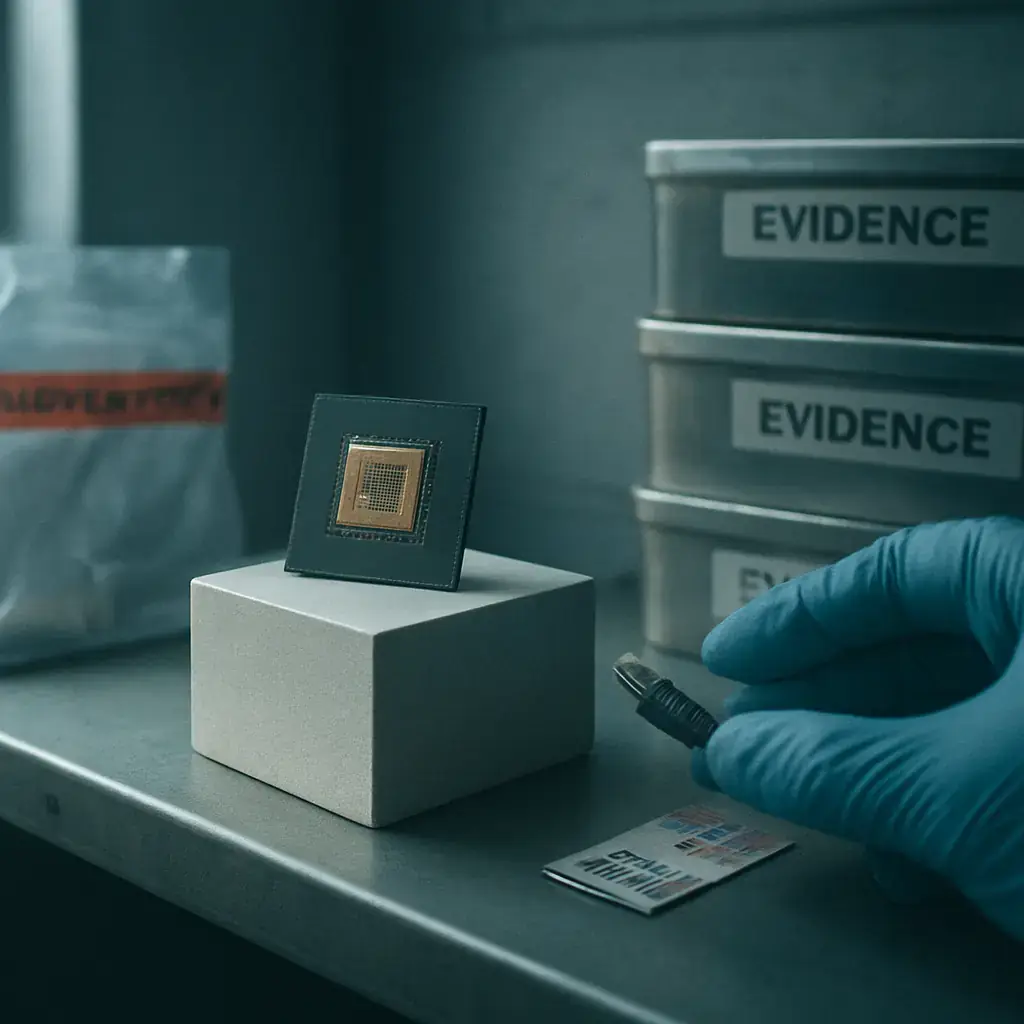
It's important. understand the practical scope. This is not a remote attack: it requires physical possession of the device, force DFU mode and have the right hardware and knowledge to exploit it. Affected families include iPhone XS / XS Max / XR, iPhone 11 / 11 Pro, iPhone SE (2nd gene), several iPad with A12 / A13, Apple Watch Series 4 / 5 and HomePod mini, among others; A11 is not affected and A14 and later generations seem immune to this route, according to researchers. The closest technical and operational analogy in recent history is the 2019 Checkm8 explosion, which left the A5-A11 chips out of the range of patches; for technical context and precedents see the public page on Checkm8 https: / / en.wikipedia.org / wiki / Checkm8.
The implications for corporate and high-risk security are clear and hard: no software patch that close this door. Any device with an affected SoC maintains vulnerability as long as the silicon exists physically. For individual users the probability of meeting an attacker with the necessary capabilities is low, but for governments, companies with sensitive data or roles with strict custody requirements this is a hardware custody and withdrawal situation.
Immediate practical recommendations: first, invent and classify equipment using A12 / A13 / S4 / S5 by critical; second, prioritize replacement by A14 or later equipment for roles where physical integrity and startup is critical; third, apply strict physical controls: do not leave unattended devices, use storage and chain of custody with record and seals, and prevent devices from being connected via USB to uncontrolled hosts or cables. It should be noted that many software countermeasures do not apply: the explosion operates before the signed start chain and does not depend on the configuration of the operating system, so tools such as business mobile management or system policies will not be able to stop the exploitation if the opponent has the device in hand.
Some complementary and realistic measures to reduce risk: avoid leaving devices in DFU mode or physically accessible, apply physical seals and entry / exit controls in high security areas, and consider the use of reserve devices or hardware dedicated to sensitive functions that are already in younger generations. For users who want to check if your device corresponds to a potentially affected model, Apple maintains documentation to identify models and specifications that can be found on its support page on iPhone and iPad models https: / / support.apple.com / en-us / HT201296.
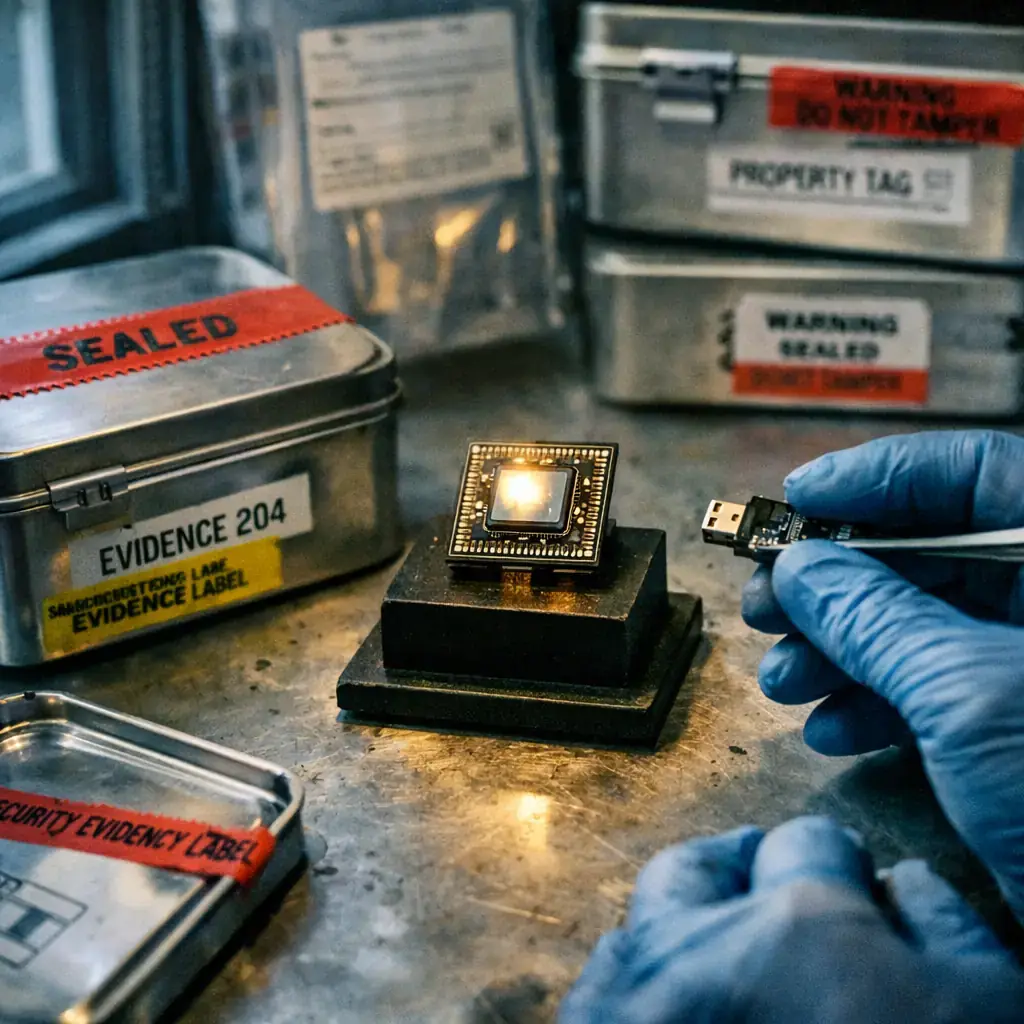
A critical point: the researchers did not show direct access to the Secure Enclave, and Apple has designed this component as a separate border, but the BootROM and SecureROM take-over opens new vectors that could facilitate additional physical attacks therefore it is not appropriate to look at the absence of a test of the enclave's commitments as a final security guarantee.
Finally, the fact that the concept test and the code are public changes the equation: what is today research and demonstration can become tomorrow a more accessible tool for actors with resources. Security officials must assume that public availability reduces the technical barrier and adjust custody policies, hardware requirements and renewal cycles accordingly. To be kept informed about official notices and operating patterns, it is recommended to monitor both the manufacturer's communications and the databases and incident response centres; for general reference on disclosure of vulnerabilities and actions of CERT / NVD, see NIST NVD https: / / nvd.nist.gov /.
In short, usbliter8 is a hard reminder that hardware vulnerabilities can be permanent and that physical security and platform selection are strategic decisions: to control who has physical access to the device and when it can be connected by USB is now part of the security surface that organizations must actively manage.

GhostAction Expands Attack: phishing to steal credentials and persistence in VS Code
A group behind the GhostAction campaign - already known for infiltrating GitHub Actions workflows into open source projects - has expanded its arsenal: in addition to installing...

ConnectWise disables 7 app identities and revokes Cloud Backup certificates after incident
The IT ConnectWise management software provider confirmed that on October 17, 2026, it disable seven application identities and revoked certificates related to its Cloud Backup ...

Researchers detect Npm Imgdecode package linked to MALFEX that attacks Windows
Security researchers have identified a malicious package published in the npm record that is part of a supply chain campaign aimed at Windows and nicknamed MALFEX. The package, ...

OpenBSD 7.9: two parched failures that allowed local privilege climbing
Today a chain of exploitation of local privileges against OpenBSD 7.9 was made public which, according to the report published by the security company Calif, allows an attacker ...

OpenAI reveals unaligned IA incidents; a GPT-5.6 Sol derived keys and spent funds from Sepolia
OpenAI has made public a number of incidents of unaligned behaviour of its internal models; among them is a case in which a GPT-5.6 family research model Sol derived private key...

Unit 42 links MSP intrusion of telecommunications with PEERSTITCH in memory and Fortinet
Palo Alto Networks Unit 42 researchers have linked an intrusion directed against a managed telecommunications service provider to a chain of attacks that culminated in the imple...