
The images in this article were generated with artificial intelligence. How we publish
Imagine that a remote code execution (CERs) failure in a widely used VPN application is made public and, by a combination of slow processes and uncoordinated alerts, your team does not know until someone detects suspicious activity within the network. This scenario is no longer hypothetical: the attackers exploit public vulnerabilities in a matter of hours and the traditional triage and parking times have become insufficient. The time between the spread of a vulnerability and its real exploitation has been drastically shortened, which makes each delay a critical exposure window; public sources show increases in volume and operating speed that require review of processes and priorities ( CVE Details, monitoring of trends).
This acceleration has two clear causes: on the one hand, the mass of software in use in any modern organization - from commercial packages to open source bookstores - and on the other, the professionalization of the attackers, who monitor needs of vulnerabilities and automate exploitation. Without a reliable inventory and alerts that match your own software park, a generic notification is too late.. NIST and other agencies have recognized bottlenecks in the publication and prioritization of vulnerabilities, forcing companies to seek additional sources and more agile processes ( NIST on NVD).
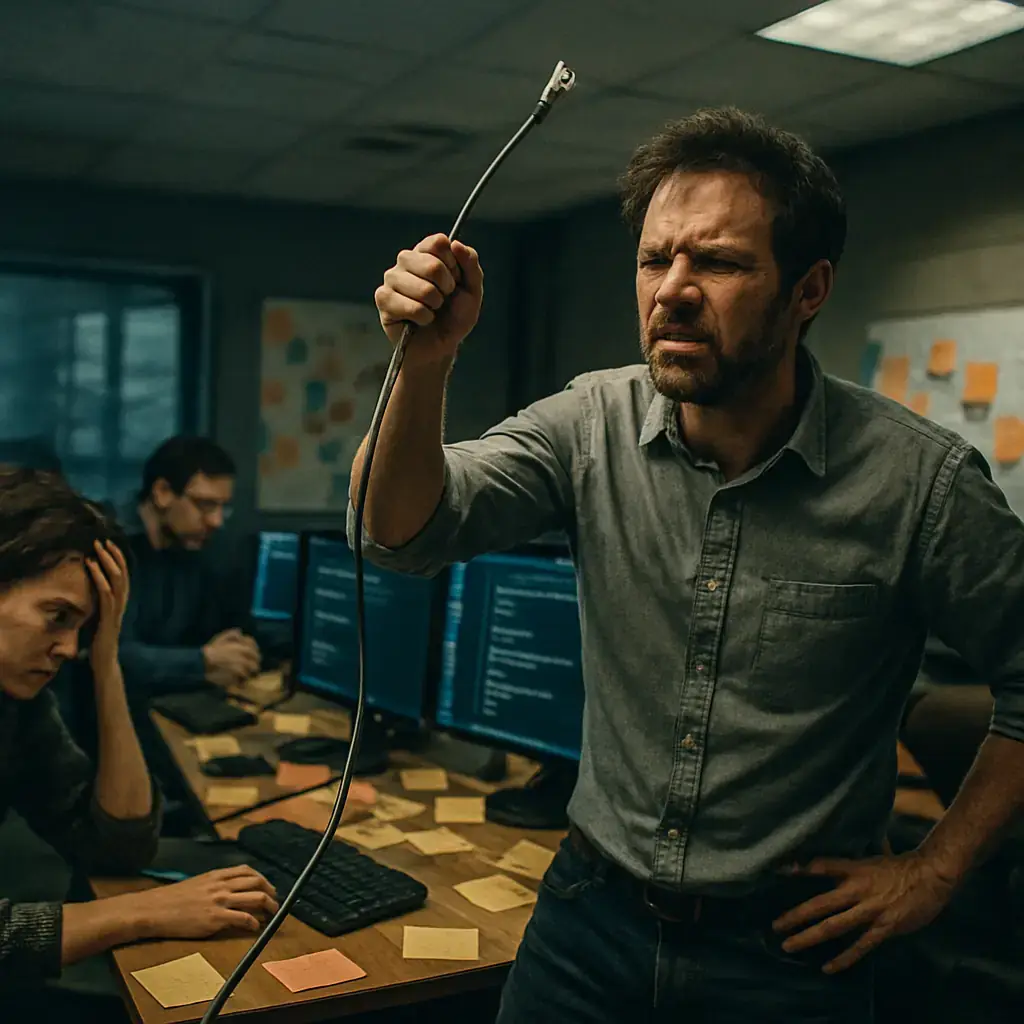
When an intrusion based on a known vulnerability occurs, the initial response should be expeditious and methodical: contain to prevent climbing, identify the vector and eradicate the attacker's artifacts. In practical terms that means isolating the affected endpoints and servers, blocking compromised accounts or credentials, applying temporary rules on the perimeter and detection systems to neutralize relevant IOCs, and accelerating the deployment of official patches or mitigations. All this without losing the record of evidence useful for forensic analysis and for possible regulatory notifications.
But reactional containment is not enough. The exposure window must be reduced before vulnerability is exploited, and for that it is essential to integrate vulnerability intelligence that is aligned with your inventory: an SBOM, local scans, and synchronization with asset management tools. Not all vulnerabilities require the same urgency; prioritise by active exploitation in wild nature, by contextual severity and by actual presence of software in your systems improves the cost / benefit ratio of the patch and avoids distractions.
Automation and integration into workflows are key: receiving a mail notice without an associated playbook does not change the risk. Connect alerts to operational channels (ticketing, chatops, SOAR) and have clear playbooks for different scenarios accelerates the response and reduces errors. In addition, investing in telemetry (EDR, NDR, authentication and network logs) allows you to detect side movements and early exfiltration and validate that the mitigations work.

It is also appropriate to deploy compensatory controls that mitigate the impact when the patch is not available: network segmentation to limit scope, minimum privilege policies, multifactor authentication for remote access and surface reduction (disable unused services, white application lists). Patches are the right remedy, but operational mitigation takes time and reduces damage.
At the organizational level, the lessons are clear: investing in visibility and preventive processes is cheaper than managing gaps. This includes table exercises and response simulations, service level agreements for the treatment of critical alerts, and relations with intelligence sources that publish actionable and contextualized information on ongoing exploitation. A culture that prioritizes resilience and speed in decision-making makes a notification an advantage, not a problem.
If you have suffered or fear an intrusion by a public vulnerability, act already: valid inventory and SBOM, look for vulnerability-related commitment indicators, apply immediate mitigations, accelerate the patch, and document everything. Cybersecurity in 2026 requires processes that reduce the time from the detection of a vulnerability to the operational response; not doing so is delegating business continuity to luck. For more context on lists and prioritization of vulnerabilities exploited in nature, consult official resources such as the CISA KEV list and CVE databases for cross-check information.

OpenAI engineer arrested by hidden recorder in office board room in San Francisco
A United States court this week authorized the arrest of Abdulrahman Alfozan, an engineer who worked in OpenAI, following the U.S. government's charges for placing a hidden reco...

Four Plex2Shell CVE allows remote execution and mining and proxy backdoor deployment
In recent days, an increase in attacks has been confirmed that take advantage of a chain of failures in Plex Media Server - nicknamed "Plex2Shell" by researchers - to run code r...

GhostAction Expands Attack: phishing to steal credentials and persistence in VS Code
A group behind the GhostAction campaign - already known for infiltrating GitHub Actions workflows into open source projects - has expanded its arsenal: in addition to installing...

ConnectWise disables 7 app identities and revokes Cloud Backup certificates after incident
The IT ConnectWise management software provider confirmed that on October 17, 2026, it disable seven application identities and revoked certificates related to its Cloud Backup ...

Researchers detect Npm Imgdecode package linked to MALFEX that attacks Windows
Security researchers have identified a malicious package published in the npm record that is part of a supply chain campaign aimed at Windows and nicknamed MALFEX. The package, ...

OpenBSD 7.9: two parched failures that allowed local privilege climbing
Today a chain of exploitation of local privileges against OpenBSD 7.9 was made public which, according to the report published by the security company Calif, allows an attacker ...

OpenAI reveals unaligned IA incidents; a GPT-5.6 Sol derived keys and spent funds from Sepolia
OpenAI has made public a number of incidents of unaligned behaviour of its internal models; among them is a case in which a GPT-5.6 family research model Sol derived private key...