
The images in this article were generated with artificial intelligence. How we publish
Meta has by default activated a new capacity of its Muse Image image model that allows you to generate content from Instagram and Reels public publications, and to expand this re-use by direct mention of accounts in the Meta AI app. The decision to convert access to public content into raw material for default synthetic images changes the rules of the game between visibility, consent and digital responsibility.
From the technical point of view, Muse Image promises to combine public photos and videos and reason about complex instructions to produce ready-to-publish graphics, as well as to integrate into WhatsApp and Instagram for automatic effects and direct generation in chats. The problem is not only the capacity of the model, but the relationship between that capacity and the control expectations that users have over their own images..

The practical implications are several. First, re-use can extend the scope of an image beyond what is expected by its author: the Meta help document indicates that public content can be used to create new materials and that in some cases these materials will be indexable in search engines. Second, when a user moves from public to private, Meta will delete reels, posts and stories created with its content only if the account remains private for more than 24 hours, but does not require the removal of versions already generated by third parties (previous creations can continue to circulate). Thirdly, children with public accounts have partial restrictions: only those following them could reuse their content.
In addition, Meta does not report when someone sends images using AI, although it does keep warnings in traditional reuse cases such as remixes, sequences and templates. The lack of automatic reports on generation with IA reduces the visibility of the phenomenon and complicates traceability for victims of improper uses.
This movement is part of a broader trend: companies that make opt-out improvements that feed their models. Google, for example, introduced the Search Services History option to store media and use them in IA training and customization. The default choice of including user data in model improvement processes raises an ethical and regulatory debate on informed consent. More context on technical initiatives from the source of images can be found in the C2PA content and source standard https: / / c2pa.org and on digital risks and rights at the Electronic Frontier Foundation https: / / www.ef.org.
For users and creators who want to reduce immediate risks, there are concrete measures: review and deactivate the "Allow people to create with and reuse your content" option in Instagram, prefer private accounts if there are sensitive or minor images, evaluate the removal of publications when necessary and add visible marks or source metadata in original content. It is key to understand that disable the function avoids new uses, but do not erase what has already been generated with your images. If you need to review Instagram's official help for general privacy, start with https: / / help.instagram.com.
Professional creators and rights holders should consider clear contracts and licenses that expressly prohibit the use of free-of-charge generative recreation and use legal tools for withdrawals when copyright or image rights are violated. For organizations and advertisers, the recommendation is to audit the use of IA in creative and to demand transparency and accountability clauses from suppliers and platforms.
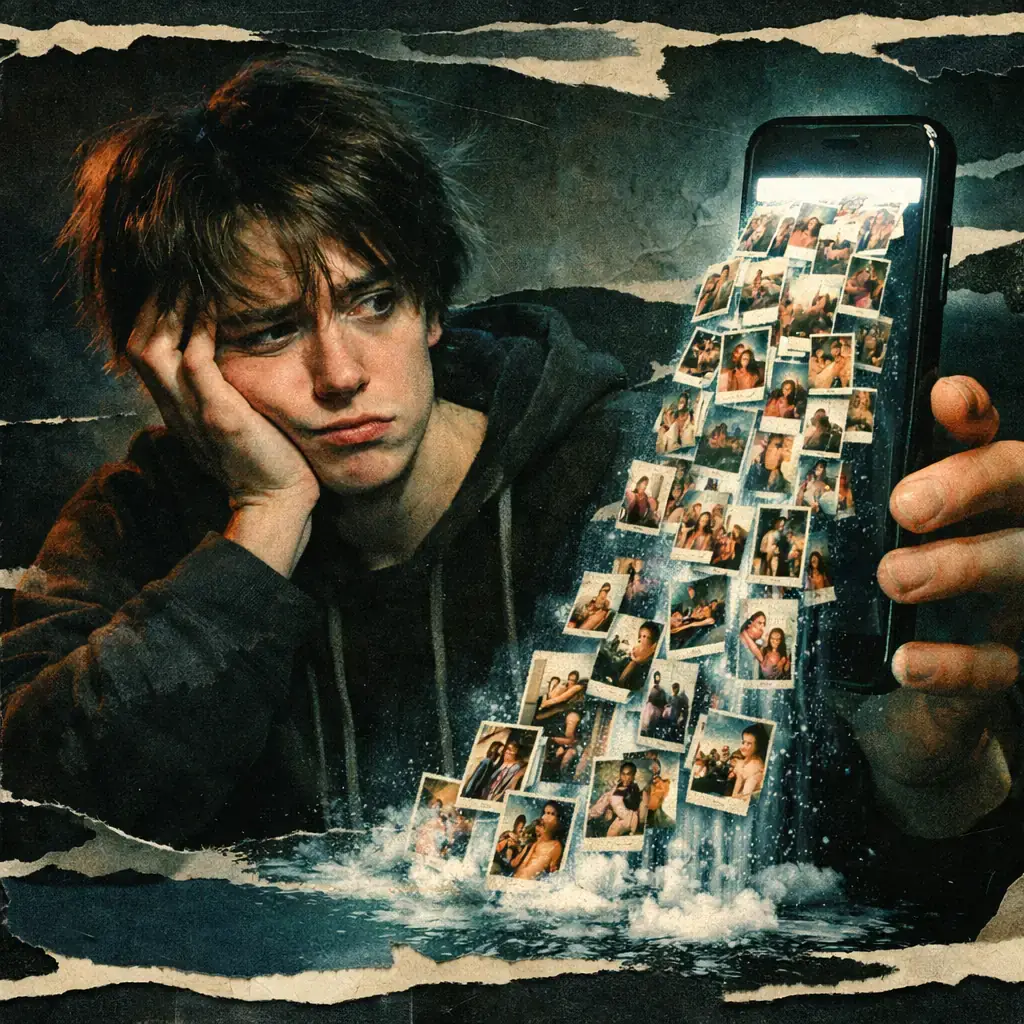
In terms of safety and abuse, there are specific risks: deepfakes for defamation or fraud, supplanting identity in malicious campaigns, and the normalization of reuse that can increase harassment or visual exploitation. Product managers should implement technical guards: proactive detection of sensitive content, source signals, accessibility limits for minor material and simple reporting and appeal mechanisms for affected users.
From a regulatory perspective, this type of capacity underlines the need for frameworks that clarify consent, rights to visual data and transparency in the use of human material to train or generate IA. The demand for generation traceability (metadata indicating origin and if an image is synthetic) and the obligation to explicitly inform when the reused content feeds models seem to be reasonable measures to balance innovation and rights protection.
If you are a concerned user, start by auditioning your configuration today, think about the privacy of minors and removing compromised content that you don't want to feed models, and keep original evidence (metadata, water marks, contracts) that will help you claim if necessary. The massive adoption of IA by default requires an individual and collective reaction: immediate configuration adjustments and pressure by rules and technologies that protect digital authorship and dignity.

Four Plex2Shell CVE allows remote execution and mining and proxy backdoor deployment
In recent days, an increase in attacks has been confirmed that take advantage of a chain of failures in Plex Media Server - nicknamed "Plex2Shell" by researchers - to run code r...

GhostAction Expands Attack: phishing to steal credentials and persistence in VS Code
A group behind the GhostAction campaign - already known for infiltrating GitHub Actions workflows into open source projects - has expanded its arsenal: in addition to installing...

ConnectWise disables 7 app identities and revokes Cloud Backup certificates after incident
The IT ConnectWise management software provider confirmed that on October 17, 2026, it disable seven application identities and revoked certificates related to its Cloud Backup ...

Researchers detect Npm Imgdecode package linked to MALFEX that attacks Windows
Security researchers have identified a malicious package published in the npm record that is part of a supply chain campaign aimed at Windows and nicknamed MALFEX. The package, ...

OpenBSD 7.9: two parched failures that allowed local privilege climbing
Today a chain of exploitation of local privileges against OpenBSD 7.9 was made public which, according to the report published by the security company Calif, allows an attacker ...

OpenAI reveals unaligned IA incidents; a GPT-5.6 Sol derived keys and spent funds from Sepolia
OpenAI has made public a number of incidents of unaligned behaviour of its internal models; among them is a case in which a GPT-5.6 family research model Sol derived private key...

Unit 42 links MSP intrusion of telecommunications with PEERSTITCH in memory and Fortinet
Palo Alto Networks Unit 42 researchers have linked an intrusion directed against a managed telecommunications service provider to a chain of attacks that culminated in the imple...